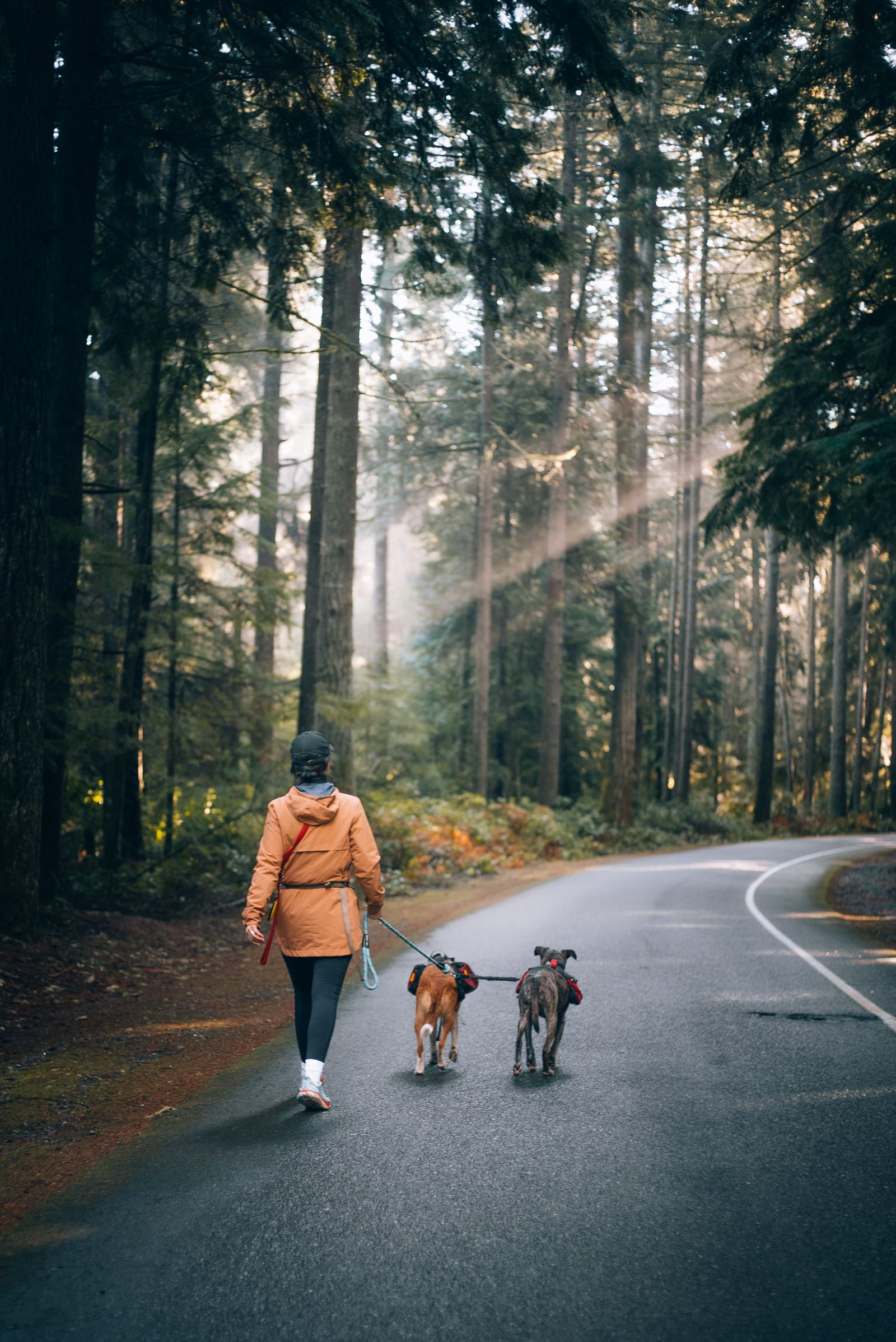
The Des Plaines River Trail system offers Wheeling-area dog owners a change from neighborhood sidewalks. Its mix of paved and unpaved surfaces can provide new smells, shade, and a more interesting walk. It also brings bicycles, wildlife, mud, ticks, and changing trail conditions. The best outing starts with a realistic route and a dog kept under control.
This guide uses Forest Preserves of Cook County and Wheeling Park District information checked on July 16, 2026. The full trail system is much larger than Wheeling, so the goal is not to finish it. The goal is to plan a safe out-and-back walk that matches your dog.
Know the trail basics
The Forest Preserves lists the Des Plaines River Trail system at approximately 28.4 miles. It passes through several communities, including Wheeling, and includes paved and unpaved sections. Normal preserve hours are sunrise to sunset.
Dogs are allowed on most trail sections, but they must remain leashed, controlled by their owner, and on the right side of the trail. Off-leash freedom belongs in a designated off-leash area, not on this shared route.
Wheeling Park District guidance for outdoor venues and walking paths similarly calls for a leash no longer than six feet and requires owners to pick up after their animals. Posted signs at a specific location take priority because a facility, nature area, event, or closure may have additional limits.
Choose distance by time, not ambition
An out-and-back route doubles every step away from the car. If you walk 30 minutes out, you still need enough water, energy, daylight, and comfortable paws for the return. Start shorter than your usual neighborhood distance because new smells and uneven ground can be tiring.
Pick a turnaround time before starting. Leave extra daylight for the return and check the official web map so you understand where the trail goes. A phone map is helpful, but battery life and service can fail. Note the name of the entrance or parking area before walking away.
Senior dogs, puppies, flat-faced dogs, and dogs with joint, heart, or breathing concerns may need a much shorter route. A dog who is lagging, repeatedly lying down, limping, or refusing to continue should not be pushed to reach a mileage goal.
Share the trail safely
The route is used by walkers and cyclists, and some connected trail systems may include equestrian use. Stay right and keep the leash short enough that it cannot stretch across the path. Move fully to the side before stopping.
- Listen for a bicycle bell or a rider saying they are passing.
- Bring your dog close before blind turns and narrow bridges.
- Do not let the leash wrap around signs, benches, people, or another dog.
- Ask before allowing dogs to greet.
- Keep moving if another dog looks tense or the handler requests space.
- Pick up waste and carry it to a proper receptacle.
A bright leash and reflective gear can help in shade or low evening light. Avoid wearing two headphones. Hearing an approaching rider gives you time to shorten the leash without startling your dog.
Stay out of wet and damaged trail areas
Unpaved surfaces change after rain and snowmelt. The Forest Preserves tells visitors to stay out of mud; if you are leaving footprints, you are damaging the trail. Mud can also hide holes, roots, and slippery ground.
Check closure alerts before leaving. Never walk around a barrier or ignore a posted detour. Conditions that look manageable at the entrance may become worse farther along the river corridor.
After a wet walk, inspect paws for cuts and material packed between the toes. Dry the coat and feet before the dog settles in the car, especially in cold weather.
Plan for ticks
Cook County advises walking near the center of the trail when possible so vegetation does not brush against you. That also reduces the amount of tall grass rubbing along a dog’s body. Staying on marked routes protects both visitors and habitat.
After the walk, check your dog in and around the ears, under the collar, under the front legs, around the tail, between the back legs, and between the toes. Run your fingers slowly through the coat to feel for small bumps. Check yourself as well.
Ask your veterinarian which tick-prevention plan is appropriate for your dog. Never apply a human insect product to a pet unless a veterinarian or the product label specifically says it is safe and gives directions for that animal.
Carry water in every season
Bring water for both the person and the dog. Do not let a dog drink from the river, puddles, or standing trail water. Natural water can contain organisms, pollution, or harmful blooms that are not obvious by sight.
On hot days, choose a cooler time, shorten the route, and turn back before your dog is tired. Shade does not remove heat or humidity. In winter, watch for ice, packed snow, and salt near paved approaches. Dogs with thin coats or small bodies may need protection and shorter exposure.
A simple trail kit
- A sturdy leash and secure collar or harness
- Identification tags with a current phone number
- Water and a collapsible bowl
- More waste bags than you expect to need
- A small towel
- A charged phone
- Basic pet first-aid supplies for longer outings
Keep the kit light enough to carry. Food and toys are usually unnecessary for a normal walk and can attract attention from other dogs or wildlife.
Not every dog wants a trail greeting
A narrow route can feel stressful to a reactive or fearful dog because there is little room to move away. Create distance early. Step off only where doing so will not damage vegetation, or turn around and find a wider place. Do not force a nose-to-nose greeting.
A dog can enjoy the trail without meeting anyone. Sniffing, walking at a comfortable pace, and checking in with the handler are enough.
Before you go
Trail closures, detours, permitted uses, and surface conditions can change. Review the official Des Plaines River Trail page, its map, and current alerts before leaving.
Keeping a Wheeling dog active during busy weeks
A trail outing is a nice change, while most exercise still comes from regular local walks. If your schedule makes those daily breaks difficult, consider one-on-one dog walking or review in-home pet care in Wheeling. Requests are reviewed by exact address, dates, travel time, and the routine that fits your dog.
If you would like to confirm fit and availability, request a pet-care appointment.