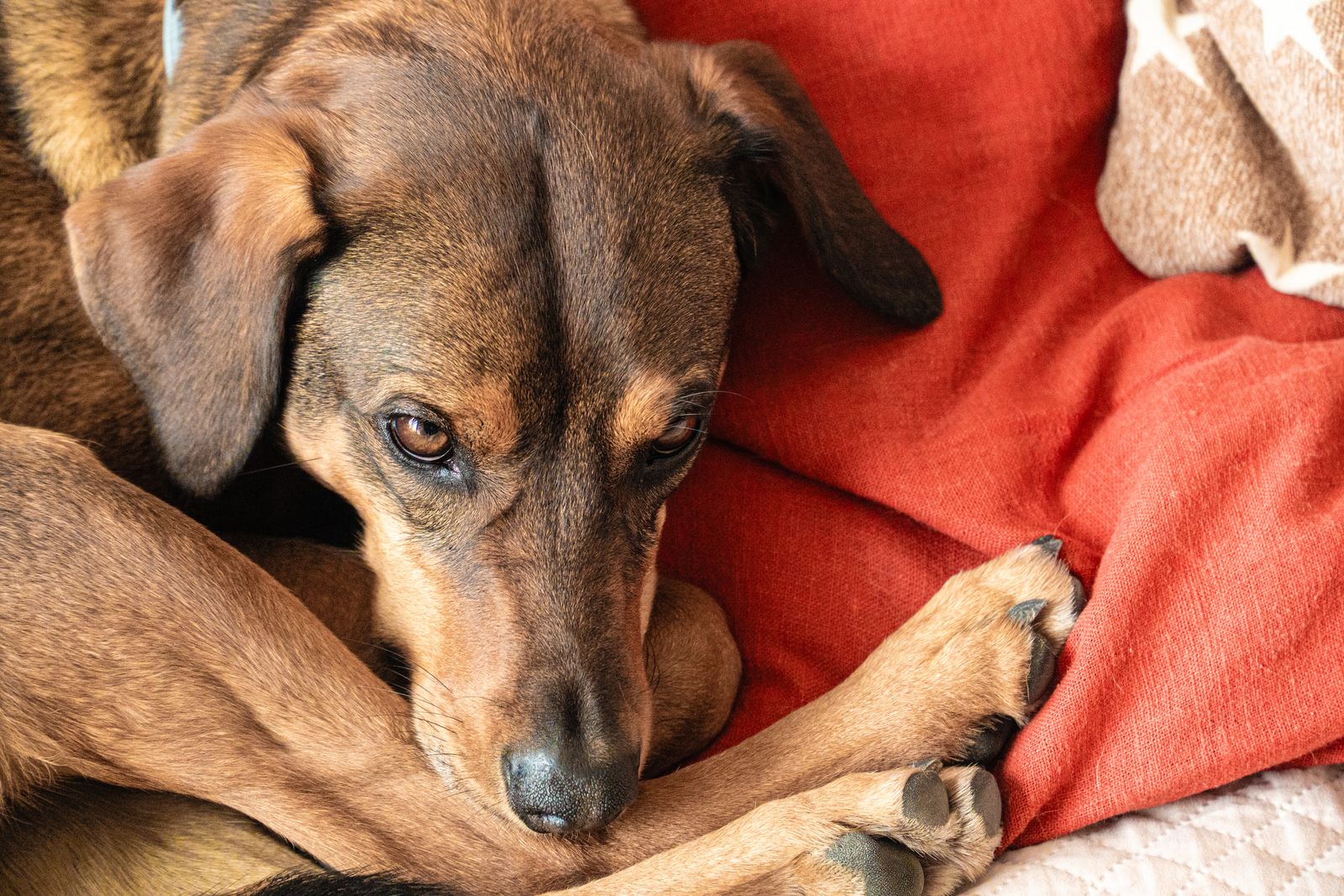
Fireworks and thunderstorms are different events, but the home plan for many pets begins in the same place: prevent escape, create a familiar retreat, keep the routine predictable, and arrange veterinary guidance before the noise starts. Waiting until a dog is trying to break through a screen or a cat has vanished into an unsafe crawl space is too late to build the system.
Noise responses range from mild alertness to severe panic. This guide offers environmental and care planning, not a diagnosis or treatment. If your pet trembles intensely, cannot settle, destroys barriers, injures itself, stops eating, or has any medical condition affected by stress, talk with your veterinarian well before the next storm or holiday.
Update identification before noise season
Check the tag on every collar or harness and confirm the phone number is readable. Verify the microchip registration has your current contact information. Keep a recent photo showing the pet's face, body, and identifying marks. The American Veterinary Medical Association recommends current identification and secure surroundings because unexpected fireworks can frighten pets into escaping.
Indoor cats need the same preparation. A normally door-safe cat may bolt when startled. Identification does not prevent an escape, but it improves the information available if one occurs.
Choose a retreat the pet already trusts
The best safe room is usually an interior, climate-controlled space the pet uses voluntarily. It may be a bedroom, lower-level room, open crate, closet with safe ventilation, or quiet corner with a covered bed. Add familiar bedding, water, and, for cats, a litter box placed away from food and water. Close blinds and remove objects that could fall, tangle, or shatter.
Introduce the space on calm days. Feed treats there, offer a favorite activity, and let the pet enter and leave. A crate is not automatically calming; it is appropriate only if the animal already rests there comfortably. Never put a panicking animal into an unfamiliar enclosure and assume confinement will remove fear.
Inspect every escape route
Before dusk or the approaching storm, close windows, secure screens, latch gates, and check exterior doors. Move dog walks and yard breaks earlier when possible. During fireworks, keep dogs leashed even in a fenced area if they have ever startled or attempted escape. Cats should remain indoors and away from doors used by guests.
Assign one adult to door control. Guests should know not to open the safe-room door or prop an exterior door for coolers, food, or luggage. A note at eye level can prevent a well-meaning mistake. If a pet sitter is arriving, agree on an entry method that keeps the animal behind a second barrier before the exterior door opens.
Prepare the environment before the first boom
Do not wait for visible fear. Close curtains, turn on steady background sound at a comfortable volume, prepare food and water, and complete medication only as the veterinarian directed. Keep lights and household activity normal rather than repeatedly checking the window.
Exercise earlier in the day may help meet a dog's normal needs, but it is not a treatment for panic. Avoid an exhausting outing in heat or an unfamiliar area. Feed on the usual schedule unless the veterinarian has advised otherwise, and keep fireworks debris, glow items, charcoal, alcohol, and party foods out of reach. The ASPCA's July Fourth guidance highlights both noise and holiday ingestion hazards.
Let the pet choose distance or company
Some animals seek a person; others hide. Calm companionship can include sitting nearby, speaking normally, and offering an approved chew, lick mat, food puzzle, or play if the pet wants it. Comforting a pet gently is not the same as forcing interaction.
Do not drag a cat from hiding, hold a struggling dog, or punish barking, pacing, accidents, or attempts to retreat. Avoid crowding, staring, or repeated commands the animal cannot process. The AVMA's discussion of storm and fireworks distress includes providing a safe place and seeking professional help for significant fear.
Discuss medication with the veterinarian early
If previous events caused more than mild unease, contact your veterinarian before the forecast or holiday. The veterinarian can evaluate health, distinguish problems that may look similar, and decide whether a behavior plan or prescription is appropriate. Some plans need a trial on a calm day to see how the individual responds.
Give only what the veterinarian prescribed for that pet, at the stated dose and time. Do not use another animal's medication, a human sleep aid, cannabis product, alcohol, essential oil, or an over-the-counter “calming” product without professional approval. Sedation and relief from fear are not necessarily the same, so treatment choices belong with the veterinarian.
Make a sitter-specific storm plan
A caregiver needs more than “she hates thunder.” Write the early signs your pet shows, preferred retreat, door rules, bathroom plan, safe enrichment, veterinarian-approved medication instructions, and exactly when to call you or the clinic. Leave the carrier, leash, harness, and emergency contacts where they are accessible.
Agree on whether the sitter should remain longer if a storm begins and how schedule changes are authorized. A brief drop-in during peak fireworks may be unsuitable for an animal who panics when left; overnight or extended coverage may be a better fit. Conversely, a wary cat may prefer essential care and quiet distance. Match presence to the pet.
During the event, focus on safety and facts
The sitter or owner can record when the noise began, the pet's behavior, food and water interest, bathroom results, medication time, and what appeared to help. This information is useful for the veterinarian and the next plan. Avoid testing the pet by opening the retreat or taking the dog outside to “get used to it.”
Seek urgent veterinary help for injury, collapse, seizure, trouble breathing, severe unresponsiveness, suspected toxin ingestion, or any sign your veterinarian has identified as an emergency. If a pet escapes, notify local animal control, shelters, microchip registry, and neighbors promptly while keeping another person safely at home if other pets remain.
Check the home afterward
Noise may end before hazards do. Scan the yard for firework fragments, wires, food scraps, and damaged fencing before releasing a dog. Reopen curtains and rooms gradually. Confirm every pet is present, inspect paws for injury if an outdoor trip was necessary, refresh water, and let the household settle.
Update the plan while details are fresh. Did the cat choose a different room? Was the late bathroom break too difficult? Did the sitter need a backup key? A calm-at-home plan improves through observation, not by expecting the pet to “grow out of” fear.
If you need in-home coverage during a noisy weekend or storm-prone trip, Tania's pet sitting services can follow a written household plan. Request a meet-and-greet early enough to rehearse the safe-room and door routine.