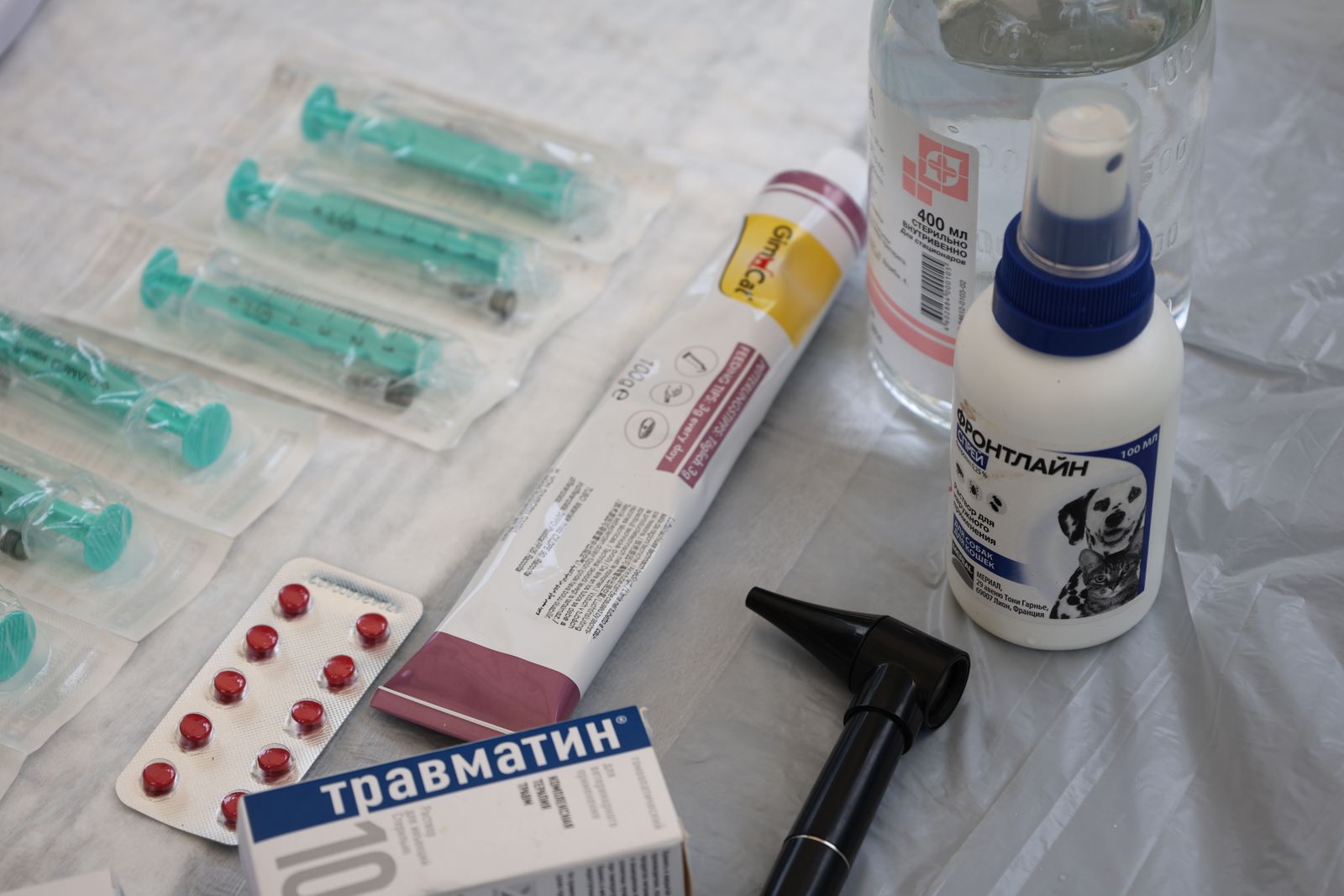
A pet sitter can follow a medication routine safely only when the instructions are complete, the medicine is clearly identified, and there is a plan for the unexpected. A rushed text saying “one pill at dinner” leaves important questions unanswered: Which pet? Which pill? With food or without it? How late is too late? What if the pet spits it out?
The goal of a medication handoff is not to turn a sitter into a veterinarian. It is to make the veterinarian's existing directions easy to follow and document. Your prescribing veterinarian remains the right person to answer questions about dosing, side effects, missed medication, or a change in your pet's condition.
Confirm the plan with the prescribing veterinarian
Before travel, ask the clinic to review the exact routine the sitter will use. Confirm the medication name, strength, dose, route, timing window, relationship to meals, storage, course end date, and monitoring instructions. Ask what the caregiver should do if the dose is early, late, dropped, refused, partly swallowed, or vomited. Do not invent a missed-dose rule.
The FDA's questions for your veterinarian include how and when to give a medicine, how to store it, what side effects to watch for, and what to do if a dose is missed. Get those answers in writing when possible. If your pet's prescription or condition has changed recently, schedule the sitter's practice visit after the change so everyone rehearses the current routine.
Keep every medication in its original container
Do not hand over loose tablets, a mystery syringe, or a weekly organizer with no identifying label. The FDA advises pet owners to keep animal drugs in their original labeled containers, read and follow directions, and store pet drugs away from human medications. The original label connects the medication to the correct animal and provides the drug name, strength, pharmacy, prescriber, and directions.
If two pets take similar-looking medicine, store the containers in separate, clearly marked bins. Use the pet's photo and name on each bin. Keep flavored chewables out of reach; a full bottle can look like treats to a determined dog. Avoid transferring liquids to an unmarked bottle. If the pharmacy supplied a dosing syringe, keep that exact device with the medication rather than substituting a kitchen spoon.
Make a one-line instruction for each dose
A sitter should not need to assemble directions from several texts. Use a chart with one row per medicine and these fields:
- Pet's name and current photo
- Medication name and strength from the label
- Exact amount and route
- Scheduled time and acceptable time window
- Food requirements and approved hiding method
- Storage location and temperature
- Expected effects and veterinarian-identified warning signs
- Action for a refused, late, lost, or vomited dose
- Prescribing clinic and phone number
Write “give by mouth” or “apply to left ear” rather than relying on shorthand a caregiver may interpret differently. If a tablet may be split, crushed, or opened, that permission should come from the veterinarian or label. The FDA specifically cautions against cutting, crushing, or breaking tablets or capsules unless a veterinarian says to do so.
Show the routine, then have the sitter show it back
A live demonstration reveals details a checklist may miss. Show how your pet is approached, where the supplies are set up, how the dose is measured, how you know the medication was swallowed, and what reward follows. Then ask the sitter to talk through or demonstrate the process with a practice item if giving an actual extra dose would be unsafe.
Be honest about resistance. A pet who sometimes hides, bites, spits, or guards food requires a different plan from a pet who takes a chew willingly. Do not expect a sitter to force a fearful animal or risk a bite. Ask the veterinarian about a safer administration method, different formulation, or professional medical boarding if the routine exceeds the sitter's training or comfort.
Respect storage and handling requirements
Some medicines need refrigeration; others must remain at room temperature or away from light. The FDA notes that temperatures outside the recommended range can affect a medicine's effectiveness. Identify the correct shelf, not just “the fridge,” and use a labeled container so the medication is not mistaken for food. Do not freeze a refrigerated product unless its instructions allow it.
Provide gloves or other supplies if the veterinarian or pharmacy says they are needed. Tell the sitter how to dispose of used needles, patches, syringes, or contaminated materials; never improvise with household trash when a sharps container or special disposal is required. Keep controlled medications secured, count them together before departure, and confirm who is authorized to handle them.
Use a dose log in real time
Create a line for every scheduled dose with the date, planned time, actual time, amount, initials, and notes. The sitter should complete it immediately after administration, not from memory at the end of the day. If two caregivers share coverage, require each person to check the log before giving anything. A visible record helps prevent a double dose after a schedule change or handoff.
Pair the log with your normal visit update. A useful message says, “Milo received 5 mg from the labeled bottle at 7:05 p.m. with his meal and swallowed it; no change from his normal behavior.” It should not simply say “meds done.” Photos can document a label or filled log, but they do not replace direct observation that the pet actually received the medication.
Create a no-guessing rule for problems
Leave a short decision tree. If a dose is refused, the sitter stops and follows the veterinarian's written retry instructions. If the instructions do not cover the situation, the sitter calls the clinic or emergency contact rather than doubling, replacing, or changing the route. If the wrong pet receives a drug, the amount may be wrong, a container spills, or overdose is possible, contact a veterinarian or animal poison-control service immediately.
Also define observable changes that require a call. Do not ask a sitter to diagnose. Collapse, breathing trouble, seizures, severe weakness, repeated vomiting, facial swelling, or unusual unresponsiveness need urgent veterinary direction. For subtler changes, such as a new appetite decrease or loose stool, follow the threshold your veterinarian provides for that specific pet and medication.
Authorize emergency care before leaving
The American Veterinary Medical Association recommends arranging who may make decisions and how emergency veterinary care will be authorized while you are away. Give your sitter your regular clinic, after-hours hospital, a local backup contact, insurance details if relevant, and a signed authorization accepted by your clinic. Make sure your phone settings allow calls from unfamiliar numbers.
Use the right care format
A simple once-daily tablet may fit a scheduled drop-in. Narrow timing, injections, close observation, or a pet who accepts medication only after settling may call for longer visits or overnight care. Build travel and weather delays into the schedule; “exactly noon” is fragile if no backup is available. Ask the sitter what medication tasks they accept and document that agreement before booking.
Clear instructions protect the pet, the sitter, and your peace of mind. If your dog's medication routine is compatible with in-home care, explore Tania's in-home dog sitting and schedule a conversation early enough to practice the handoff.