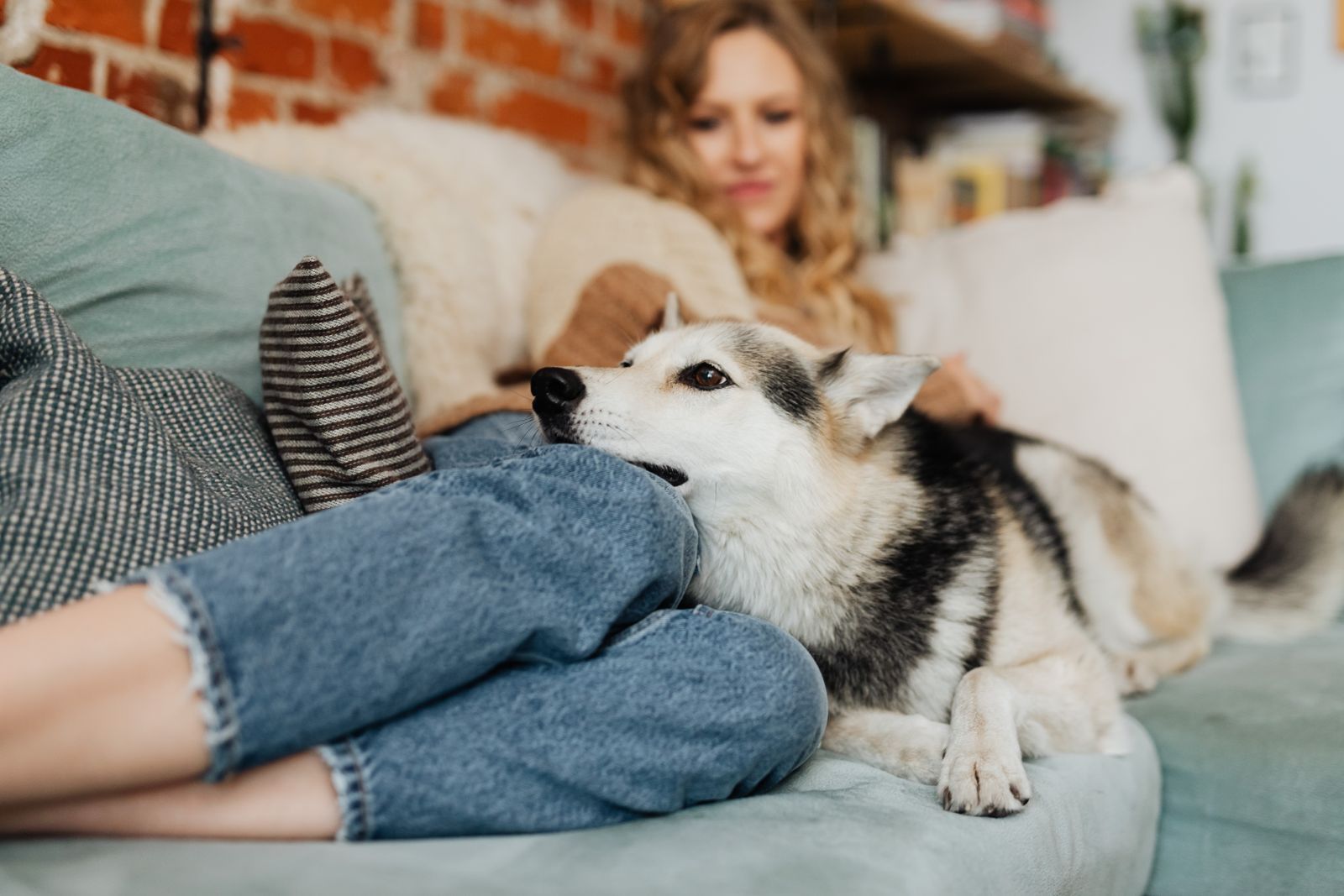
Overnight dog sitting is more than someone sleeping in the house. A well-planned stay protects the dog's familiar evening and morning rhythm: meals, medication, bathroom breaks, walks, settling cues, secure doors, sleep arrangements, and a clear response if something changes after business hours. The exact service varies by provider, so pet parents should confirm arrival windows, departure times, and daytime coverage rather than assuming “overnight” means 24 continuous hours.
Here is a practical night-to-morning framework you can use to discuss care with a sitter. It is not medical advice; your veterinarian should define any treatment, monitoring, or emergency thresholds for your dog.
Before the first overnight
A meet-and-greet is where the overnight actually begins. Walk the sitter through the home in the order they will use it. Show the approved entrance, alarm, lights, leash and harness, food, water shutoff, cleaning supplies, trash, sleeping area, and every door or gate affecting the dog. Test the key and any code while you are present.
Then write the routine. Include meal measurements, walk or yard schedule, cues, leash behavior, sleep location, medication, household restrictions, and what is normal at night. Does your dog bark once when the heat turns on? Ask to go out at 3 a.m.? Refuse breakfast until after a walk? Details help a sitter distinguish a familiar quirk from a meaningful change.
Leave veterinary contacts, a local decision-maker, and care authorization. The AVMA advises pet owners to arrange emergency authority and provide the information a caregiver will need while the owner is away. Confirm the preferred emergency hospital and the fastest route before the trip.
Arrival and the first safety sweep
At arrival, the sitter should enter using the agreed door-control routine. Excited dogs can crowd an entry, so the safest method may be to speak through the door, open it only enough to enter, close it fully, and then greet the dog. Packages or luggage should not prop an exterior door open.
Next comes a brief household and pet check. The sitter confirms the dog's location, general behavior, water access, room temperature, and any sign of an accident, chewing, or disturbed gate. If other animals live in the home, every pet is counted. This is also the time to read any owner update about a last-minute meal, dose, or schedule change before repeating a task.
The evening routine
Most overnights begin with the dog's normal sequence rather than a generic schedule. For one dog that may be a decompression walk, dinner, then medication. For another it may be a quick bathroom break, dinner, rest, and a longer walk later. Consistency can help the home feel predictable while the family is away.
Meals should be measured with the provided scoop or scale and served in the designated place. The sitter notes how much was eaten and refreshes water. If the dog takes medication, it stays in the original labeled container and is given exactly as the veterinarian directed. The FDA recommends retaining original containers with legible labels and following storage instructions. The sitter records the actual dose time immediately.
Evening exercise should match the care plan, weather, and dog's condition that day. A familiar route is usually better than an ambitious adventure. The sitter checks the leash, harness, ID, and door before leaving, avoids unauthorized greetings, and follows the owner's guidance about dogs, people, wildlife, and traffic. Yard time is supervised if that is the household rule; a fenced yard does not automatically replace a leash or human observation.
Settling the house for bedtime
Before sleep, the sitter completes a final bathroom break, checks water, secures food and trash, verifies exterior doors, restores pet gates, and confirms the dog's sleeping setup. Some dogs sleep in a crate, others on a bed or in a particular room. A sitter should not change that arrangement casually, invite a dog into a prohibited room, or confine a dog in a way the dog has not safely practiced.
Comfort is individualized. Quiet company, a familiar blanket, a food puzzle used under supervision, or the normal bedtime cue may help. A dog who chooses distance should be allowed it. A dog who is restless should not be punished for communicating. The sitter observes and reports without labeling the behavior as a medical or behavioral diagnosis.
What overnight monitoring can and cannot mean
An overnight sitter is present for events that an empty house cannot reveal: repeated pacing, a smoke alarm, vomiting, a leaking pipe, or a dog asking urgently to go out. Presence improves the chance that a change is noticed and escalated according to plan. It does not equal veterinary monitoring, constant wakefulness, or a guarantee that every subtle symptom will be detected.
Be precise about needs. If a dog must be observed at set intervals, cannot be left alone at all, is recovering from a procedure, or has a risk that requires clinical judgment, discuss the case with the veterinarian and sitter before booking. Veterinary hospitalization or medical boarding may be more appropriate. A professional sitter should be able to say when a request is outside their scope.
If the dog wakes during the night
The care plan should cover common situations: a bathroom request, barking, a thunderstorm, or difficulty settling. The sitter uses the normal leash and door routine for an extra break, keeps outdoor time brief and controlled, and records anything unusual. They should not give an unapproved sedative, supplement, or human medication.
For concerning changes, the sitter follows the emergency ladder rather than searching for a diagnosis. Trouble breathing, collapse, seizures, uncontrolled bleeding, a swollen painful abdomen, repeated unproductive retching, suspected toxin exposure, or severe injury require urgent veterinary direction. The owner's instructions should also identify subtler changes that matter for that dog. If an emergency affects the home, the CDC recommends having carriers or leashes, records, medication, and contact information ready as part of pet preparedness.
The morning routine
Morning care generally mirrors the dog's home rhythm: secure exit for the first bathroom break, walk if scheduled, measured breakfast, fresh water, medication, cleanup, and calm interaction. The sitter notes appetite, urine and stool observations when available, energy, and any difference from the night before.
If the sitter leaves before the owner returns, the departure checklist matters. Count all pets, set safe zones, remove choking or food hazards, confirm water, lock windows and doors, arm the alarm, and verify the next caregiver's arrival. Never hide a key in a new place without telling the owner. If another visit follows later, the update should make the handoff unmistakable.
What a useful overnight update looks like
An update should give more than a smiling photo. A concise report might include arrival and departure, dinner and breakfast amounts, medication times, walks and bathroom results, sleep and behavior notes, home issues, and any supplies running low. Photos add reassurance when they can be taken without pressuring the dog.
Agree on timing. Emergency concerns should never wait for the scheduled update. The sitter should know the local backup.
Questions to ask before booking
- What hours define the overnight stay?
- How long may my dog be alone before, during, and after it?
- Are walks, meals, medication, and morning care included?
- Where will the sitter sleep, and may the dog follow its normal sleep routine?
- How are emergencies, severe weather, and a sitter illness handled?
- What updates will I receive?
The best overnight is not the one with the longest list of extras. It is the one that reliably matches your dog's real needs and makes responsibilities clear. To see whether familiar-home coverage fits your trip, review Tania's in-home dog sitting and request an appointment with enough time for a thoughtful meet-and-greet.