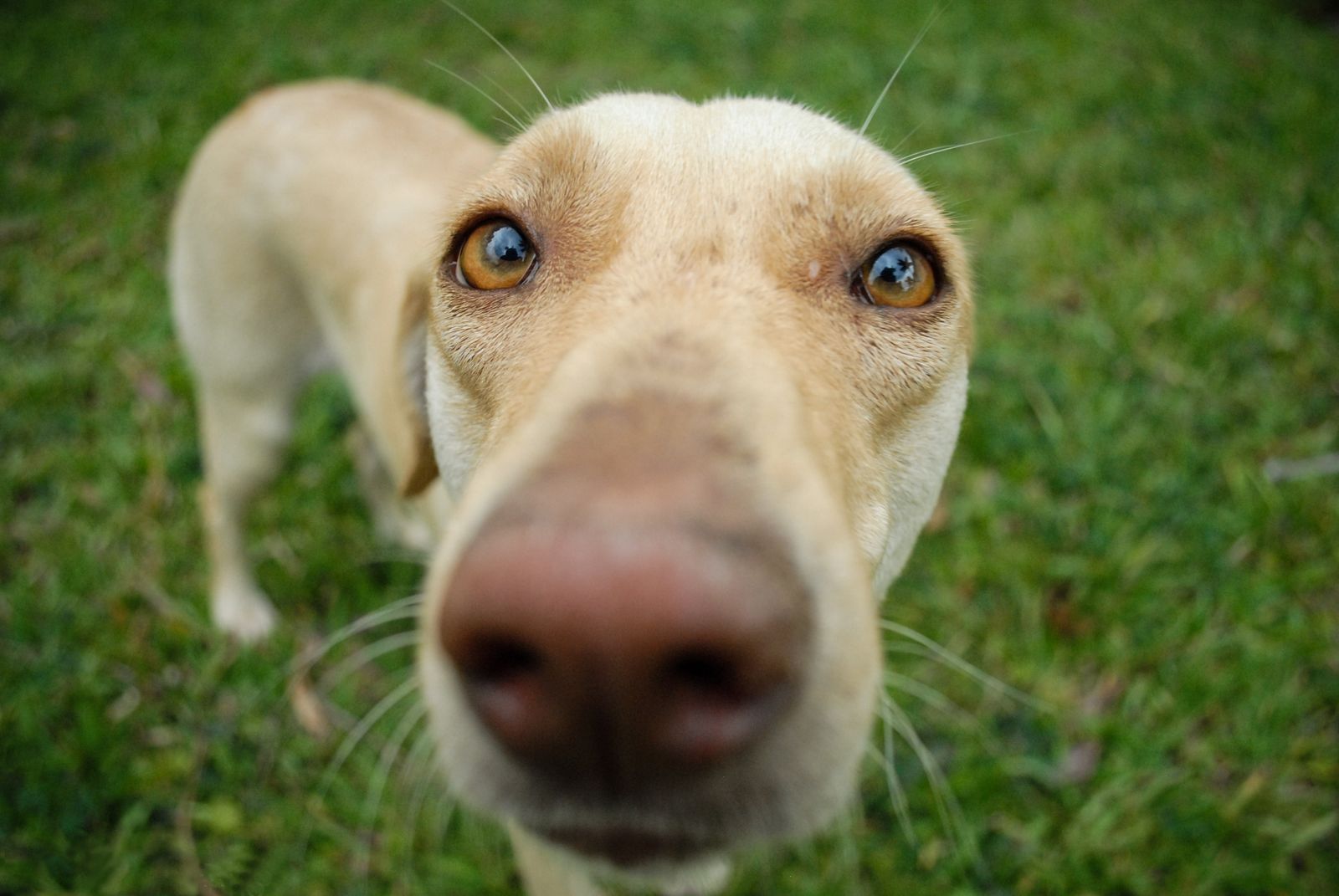
A dog who stops to inspect every mailbox is not wasting the walk. Smell is one of the main ways dogs gather information about their environment. At the same time, many dogs also need comfortable, sustained movement. That is why a sniff walk and an exercise-focused walk are not competing ideas. They are two useful tools with different jobs.
The right balance depends on the dog's health, age, energy and behavior. Neither style should be forced, and a veterinarian should guide exercise for dogs with medical or mobility concerns.
What is a sniff walk?
A sniff walk is a slower outing that gives the dog reasonable choice about where to pause and investigate. The caregiver still controls safety, direction and what the dog can put in its mouth, but the goal is not to cover the greatest distance.
Sniffing can provide mental engagement because the dog is processing changing scent information. It also allows a cautious dog to observe the environment at a manageable pace. A ten-minute sniff-heavy trip may be more mentally involving than a longer walk where the dog is hurried past everything.
A good sniff walk usually includes:
- A quiet route with enough space to pause safely
- A comfortably loose leash whenever conditions allow
- Time near safe grass, trees or other interesting surfaces
- Gentle redirection away from trash, animal waste and unknown substances
- No pressure to greet people or dogs
What is an exercise-focused walk?
An exercise walk uses a more consistent pace and fewer long stops. Its purpose is controlled physical movement, not exhaustion. The dog should still be allowed bathroom breaks and occasional sniffing, and the pace should remain comfortable.
This type of outing may help active dogs use their bodies in a structured way. It can also make a daily routine predictable. Exercise walks are not appropriate at the same intensity for every dog. Heat, humidity, cold, age, breathing structure, body condition and health all matter.
Why dogs may benefit from both
Physical and mental needs overlap, but they are not identical. A dog can return from fast exercise with unused curiosity, or finish a slow sniff walk without enough comfortable movement for that day. Combining the two makes the routine more flexible.
- Sniffing supports exploration: It gives the dog a safe outlet for natural information-gathering behavior.
- Steady movement supports physical activity: It can help maintain conditioning when appropriate for the dog's health.
- Choice can lower pressure: A dog does not need to interact with every person, pet or sound to have an enriching outing.
- Variety prevents a rigid routine: Weather and energy change, so the walk can change too.
Three easy ways to combine them
1. Begin with a decompression section
Start in a familiar quiet area and allow several minutes of sniffing. Once the dog appears settled, move into a comfortable walking pace. Finish with another short sniffing period before heading inside.
2. Give different walks different jobs
A morning outing might emphasize bathroom needs and movement. An evening trip might be slower and more exploratory. This can be easier than trying to make every walk accomplish everything.
3. Use permission cues
A consistent phrase can tell the dog when it is okay to explore and when it is time to move along. The words matter less than calm, consistent practice. Avoid jerking the leash away from a scent. Call the dog, reward attention and continue.
When sniffing needs extra management
Sniffing is normal, but the route still needs boundaries. Some dogs quickly eat discarded food, animal waste, mushrooms or other unsafe items. Choose cleaner routes, keep appropriate distance from hazards and discuss repeated scavenging with a qualified positive-reinforcement trainer or veterinarian.
Sniffing can also be a sign that a dog is trying to gather information about something worrying. If the body becomes stiff, the dog freezes, scans repeatedly, refuses food or cannot move away from a trigger, create distance. Do not pull the dog closer in the name of socialization.
Watch the dog's recovery
A balanced walk should not leave a dog limping, unusually exhausted, distressed or unable to settle. Look at breathing, gait and willingness to continue during the outing. Afterward, note whether the dog recovers normally. Sudden changes should be discussed with a veterinarian.
Weather can change the plan. On hot or dangerously cold days, make the outdoor portion brief and use indoor scent searches, food puzzles or gentle training as appropriate. Enrichment does not have to mean staying outside in unsafe conditions.
Help a dog walker follow the same style
Tell the walker what your dog enjoys, what must not be eaten, which routes feel safest and whether certain cues mean explore or keep moving. Mention reactivity, medical limits and any equipment requirements. A thoughtful dog-walking service should adapt the outing to the dog rather than chase a distance target.
For dogs that need a shorter bathroom break with a little enrichment, a drop-in visit may also fit. The right service depends on what the pet needs that day.
A balanced walk is allowed to be slow
Some days call for steady movement; others call for ten minutes of careful sniffing. Both can be useful. The goal is a safe outing that respects the dog's body and mind.
If you want help keeping that routine consistent, explore dog walking with Tania's Pet Care. Visits can follow your dog's familiar pace, route and handling instructions. If you would like to discuss fit and availability, request an appointment.