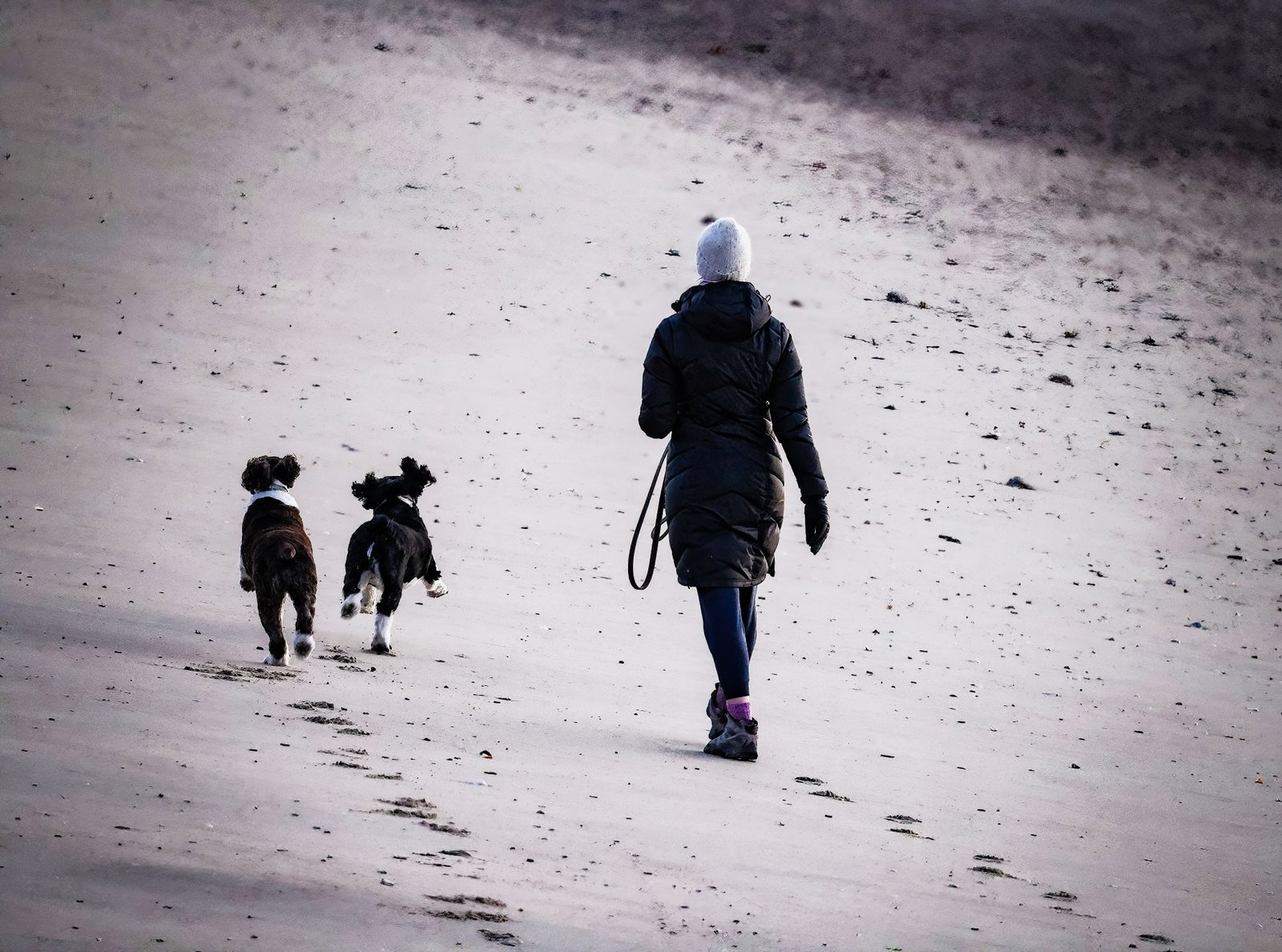
A Chicagoland winter walk can change from comfortable to unsafe within minutes. Wind, wet fur, ice and long exposure all matter, and two dogs standing beside each other may handle the same weather very differently. There is no single temperature that is safe for every breed, age and health condition.
Use the forecast as one part of the decision. Then watch the dog closely and make the outing easy to shorten. When in doubt, choose a quick bathroom break and move activity indoors.
What changes a dog's cold tolerance?
Coat length is only one factor. Consider:
- Size and body condition: Small and thin dogs may lose heat faster.
- Age: Puppies and senior dogs can be more vulnerable.
- Health: Arthritis, diabetes, heart disease and other conditions can change cold-weather needs. Ask the veterinarian for individualized guidance.
- Coat and acclimation: A thick-coated dog used to winter may respond differently than a short-coated dog, but no dog is protected from unlimited exposure.
- Wind and moisture: Wind chill and wet fur can make conditions much harder.
- Activity level: Standing still at a corner or busier path may cool a dog faster than comfortable movement.
Watch the dog, not only the thermometer
Behavior gives useful early information. Repeatedly lifting paws, hunching, shivering, slowing down, turning toward home or refusing to continue means the plan should change. Do not assume the dog is being stubborn.
Weakness, confusion, severe shivering, pale or gray-looking skin, collapse or unusual breathing can signal an emergency. Move the pet to warmth and call a veterinarian or emergency veterinary hospital promptly. Warm gradually and follow professional instructions rather than applying very hot water or direct high heat.
Build a winter route with an exit
Choose a short loop near home instead of walking far in one direction. That keeps the return manageable if wind increases or the dog begins lifting paws. Cleared sidewalks may be easier to navigate, but they can contain salt and chemical deicers.
On difficult days:
- Walk during the warmest reasonable part of daylight.
- Keep bathroom trips brief and purposeful.
- Avoid deep snow that reaches the dog's belly.
- Stay away from frozen ponds, lakes and retention basins.
- Use reflective gear when visibility is poor.
- Dry the dog after snow, sleet or freezing rain.
Protect paws from ice and deicers
Ice can collect between toes, and deicing products can irritate paws or be swallowed when a dog licks them. After each outing, wipe or rinse paws as appropriate, dry them well and look between the toes. Check for redness, cracking, bleeding, swelling or tenderness.
Well-fitted dog boots can reduce contact with salt and ice, but introduce them gradually indoors. Boots that twist, rub or change the dog's gait can create a different problem. A coat may help some short-haired, small, senior or medically vulnerable dogs; it should fit without limiting the shoulders, breathing or bathroom use.
Check winter gear while the dog moves
A coat that looks correct while a dog stands still may slide, pinch or block normal steps once the walk begins. Watch the shoulders and front legs, keep straps clear of sensitive areas, and remove wet clothing promptly after returning. Do not leave a dog unattended in gear that can catch on a crate or furniture. Dry boots and coats fully before the next outing so they do not hold cold moisture against the body.
Do not let antifreeze or unknown melted snow become a drinking source. Antifreeze is highly dangerous, and suspected exposure requires immediate veterinary or poison-control help.
Adjust the walk instead of skipping every need
Cold weather may reduce distance, but dogs still need bathroom opportunities and appropriate engagement. A five-minute trip followed by indoor scent games can be more sensible than a long, uncomfortable route.
Indoor options include scattering part of a meal for a supervised search, practicing easy cues, using a food puzzle approved for the dog, or playing gently on a non-slip surface. Senior dogs may need extra traction and should not be encouraged to make sharp turns on slick floors.
Special planning for senior and mobility-limited dogs
Cold can make some dogs appear stiffer. Give them time to stand, use cleared level surfaces and avoid rushing stairs. Several short outings may be easier than one long walk. Report new limping, difficulty rising or a noticeable decline in stamina to the veterinarian; do not treat it as a normal part of aging without an assessment.
Give a caregiver clear winter instructions
Leave the dog's coat or boots in one place and explain how they fit. Identify the approved route, which deicers are used near the home, how paws should be cleaned and what signs mean return immediately. Also provide veterinarian and emergency contacts.
When conditions make a normal walk unsafe, a drop-in visit can prioritize a bathroom break, fresh water and indoor attention. A flexible dog-walking visit should always allow the route to be shortened for safety.
Keep a simple winter note
Record the weather, route, clothing used and how the dog recovered. A short pattern can help the family and veterinarian notice whether cold tolerance or mobility is changing instead of relying on memory after a difficult day.
Let the conditions set the distance
Winter consistency does not require the same mileage every day. The safer routine responds to wind, surfaces and the dog standing at the other end of the leash.
If your dog needs reliable help through changing weather, learn about dog walking with Tania's Pet Care. Care instructions can include winter clothing, paw cleaning and a shorter backup plan. If you would like to discuss fit and availability, request an appointment.