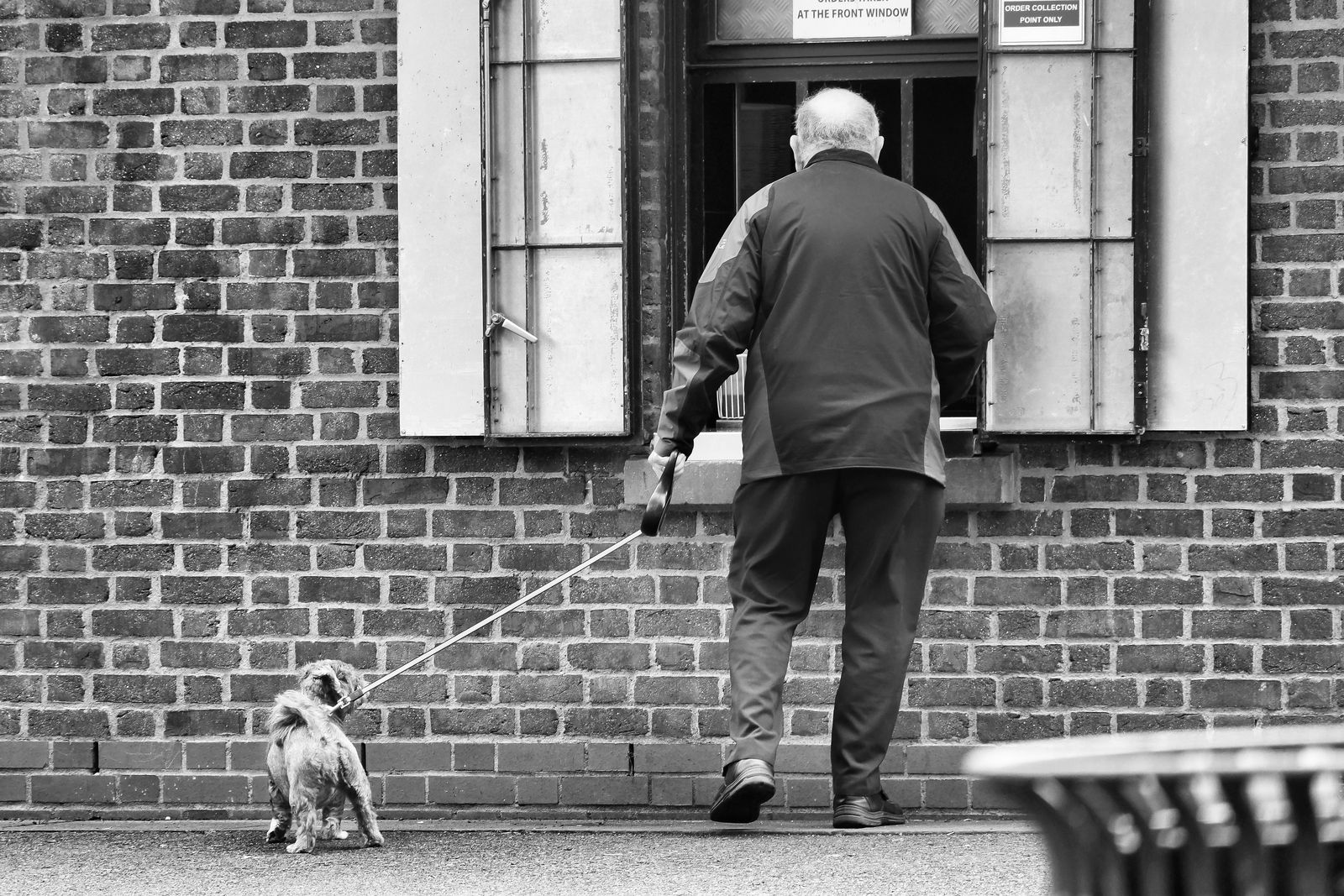
Growing older does not automatically mean a dog should stop walking. Gentle, appropriate activity can provide movement, familiar scents and a comforting routine. What often changes is the shape of the walk: less distance, more time, better surfaces and closer attention to recovery.
Age is not a diagnosis. New slowing, limping, irritability or difficulty rising should be discussed with a veterinarian instead of dismissed as normal aging. The veterinarian can assess pain, joints, heart and lung health, vision, hearing and other factors that affect a safe plan.
Establish the dog's current baseline
Think about what the dog comfortably does now, not what was easy two years ago. For several days, note:
- How the dog rises after sleep
- Whether stairs or slick floors are difficult
- How long the normal walk takes
- When the dog begins slowing or lagging
- Whether there is stiffness later that day or the next morning
- Any coughing, unusual breathing or reluctance to continue
- Changes in bathroom posture or frequency
Share the pattern with the veterinarian. Videos of movement at home can sometimes help the care team understand changes that are not obvious during an appointment.
Favor shorter, more frequent outings
Some senior dogs manage several brief walks better than one long trip. Shorter routes reduce the distance home if the dog tires. They also create more bathroom opportunities for dogs whose routines have changed.
Keep one familiar loop and an even shorter backup. Distance can vary from day to day. A dog who slept poorly, had an active morning or seems stiff should not be required to match yesterday's walk.
Let the senior dog set the pace
Allow time to stand, stretch and find footing before moving. Use a comfortable pace and include sniffing breaks. A slow walk is still a meaningful walk.
Do not pull a dog that stops, repeatedly sits or turns home. Pause and check the environment and the dog's body language. If the behavior is unusual, end the outing and contact the veterinarian as appropriate.
Choose forgiving surfaces
Level, dry and predictable routes are usually easier than steep hills, loose gravel, deep snow or hot pavement. Watch for broken sidewalks, curbs and storm drains that can catch a weak paw. Avoid ice and wet leaves.
Inside the home, non-slip runners can make the path to the door safer. Keep nails and paw fur managed according to veterinary or grooming guidance because traction can change when feet are overgrown or matted.
Preserve choice and confidence
Vision or hearing changes can make surprises harder for an older dog. Approach gently, avoid pulling the dog toward unfamiliar objects and give extra time at curbs or doorways. Keep cues consistent across family members and caregivers. If the dog seems newly confused, gets stuck in corners, reverses sleep patterns or appears anxious on a familiar route, report it to the veterinarian. Cognitive and sensory changes deserve an assessment just as much as a limp does.
Use mobility equipment only with guidance
A properly fitted harness may give a caregiver safer control or support, but fit matters. Mobility slings, boots, braces and carts should be selected with veterinary or rehabilitation guidance. The wrong device can rub skin, restrict movement or shift stress elsewhere.
Check the skin after using new equipment. Look under straps and around sensitive areas for redness, moisture or hair loss. Tell every caregiver how the equipment goes on and when it should not be used.
Adjust for weather sooner
Senior dogs may be less tolerant of temperature extremes. In summer, use cooler hours, shade and shorter trips. In winter, watch for shivering, lifted paws and stiffness, and clean road salt from the feet. A coat or boots may help some dogs when properly fitted, but they do not make dangerous weather safe.
When outside conditions are poor, use a quick bathroom trip followed by calm indoor enrichment. Do not substitute slippery indoor fetch for safe movement.
Check recovery after every walk
The walk is not over when the leash comes off. Watch how the dog drinks, lies down and gets up later. New panting at rest, trembling, restlessness, limping, weakness or inability to settle can indicate discomfort. Follow the veterinarian's instructions for when to call or seek urgent care.
Never give human pain relievers or change a pet's medication because the dog appears sore. Some common human medicines are dangerous to pets.
Make the plan easy for a dog walker
Write down the approved route, maximum expected duration, normal pace, bathroom habits and stop signs. Include help needed at stairs, how the harness fits, areas to avoid and all emergency contacts. Ask the walker to report changes in gait, breathing, energy and elimination.
Some days may call for a drop-in visit rather than a full walk. A bathroom break, meal, medication given exactly as directed and gentle company may better match the dog's condition.
Coordinate every caregiver
Family members, walkers and sitters should use the same route limits and stop signs. Keep one current written plan near the leash and update it after veterinary visits. Consistency prevents an enthusiastic helper from accidentally asking for more activity than the dog can comfortably manage.
Keep the routine meaningful
Senior walks are not failed versions of younger walks. A quiet loop with time to sniff can support comfort and connection without asking the body for more than it can give.
If your senior dog needs patient, consistent help, learn about dog walking with Tania's Pet Care. Written mobility instructions and shorter backup routes can be included in the care plan. If you would like to discuss fit and availability, request an appointment.