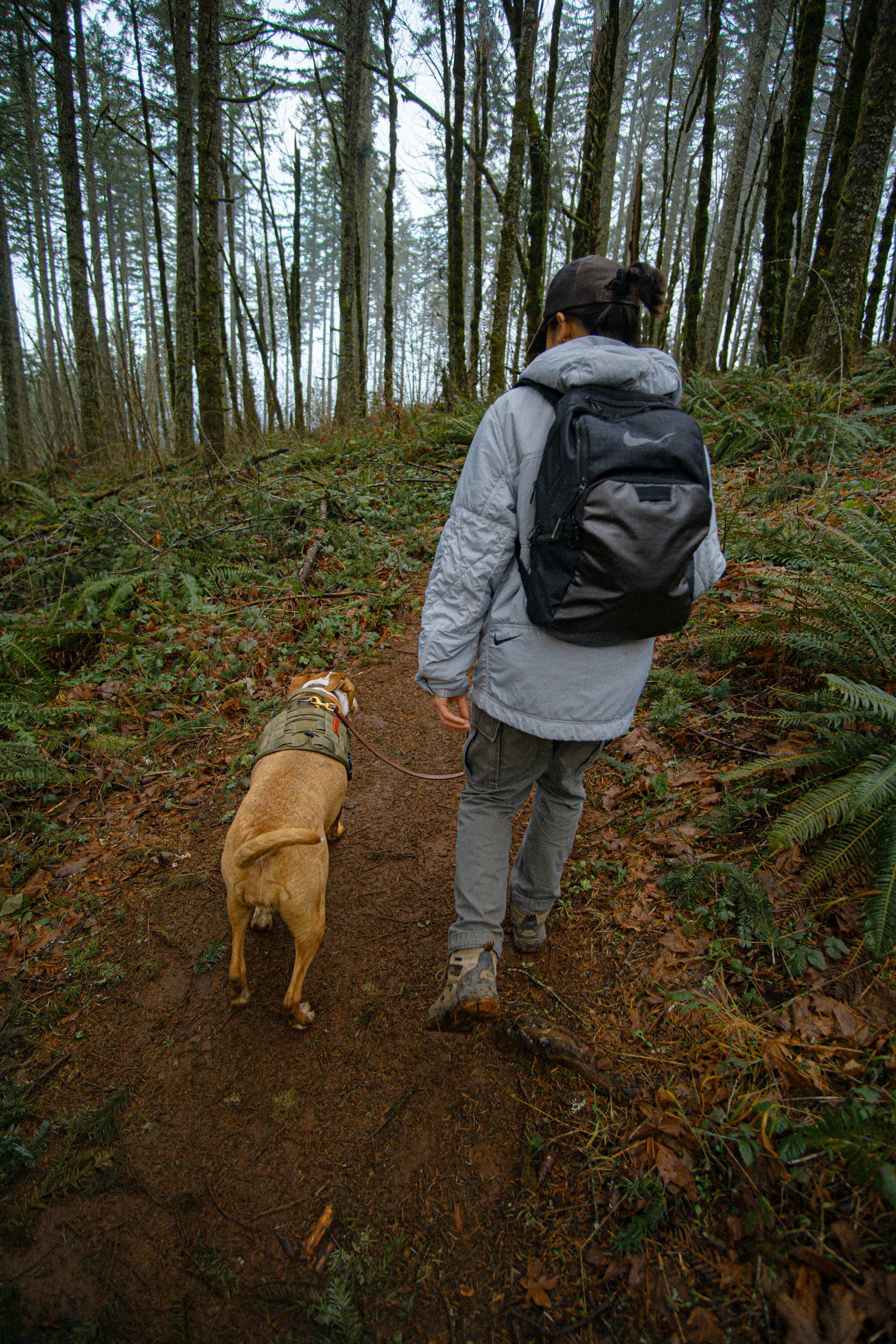
Inverness has quiet residential streets, mature landscaping, and pockets of open land that make everyday walks enjoyable. Those same surroundings also support wildlife, including coyotes. That does not mean every sighting is an emergency. It does mean dog owners should use a leash, stay aware, and know what to do before an encounter happens.
The Village of Inverness says attacks on people are extremely rare, while dogs and cats can be at risk. This guide follows Village and Inverness Police guidance available on July 16, 2026. Its goal is calm preparation, not fear.
Why coyotes appear in suburban areas
Coyotes have adapted to rural, suburban, and urban Illinois. Construction and habitat changes can bring them closer to yards, roads, golf courses, and wooded edges. The Village explains that seeing one cross a field or street does not automatically mean people or pets are in danger.
Residents may notice more protective behavior from February through May. The Village identifies February and March as breeding months, followed by den guarding in April and May. Pups continue growing in the months that follow, so an adult coyote may defend the area around a den.
Coyotes can also return to places where food is easy to find. Open trash, outdoor pet food, fallen fruit, and bird feeders that attract small animals can all make a property more interesting to wildlife.
Use a leash every time
Inverness requires dogs to be leashed and under control when away from the owner’s private property. The Village also recommends leashes because a loose dog may chase a coyote, run into traffic, or disappear into a wooded edge before the owner can respond.
Choose equipment that fits securely. A collar should not slide over the dog’s head. Dogs who back out of collars may be safer in a well-fitted harness used with current identification. Retractable leashes can make it harder to bring a dog close quickly, especially beside a road or when wildlife appears.
Keep the dog near you at blind corners, dense shrubs, and low-light areas. Headphones should stay quiet enough for you to hear traffic, another walker, or movement nearby.
What to do if you see a coyote
A distant coyote that is moving away usually needs space, not pursuit. Bring your dog close, turn calmly, and choose another direction. Do not allow barking or lunging to pull you closer.
If a coyote approaches, the Village advises that you should not run. Stand upright, yell, wave your arms, and make yourself appear larger. The Village also says an object may be thrown to scare the animal away. Keep control of the leash and move toward a building, vehicle, or occupied area when it is safe to do so.
- Do not feed or attempt to pet a coyote.
- Do not let your dog chase one.
- Keep small dogs especially close.
- Do not leave pets outside unattended when coyotes are known to be nearby.
- Report concerning behavior through the coyote-sighting resource linked by the Village.
A coyote that simply crosses a distant yard is different from one that repeatedly approaches people, follows a dog walker, or acts unusually bold. Use the Village reporting process for patterns or behavior that concerns you. Call emergency services for an immediate threat.
Make your yard less inviting
Good walk safety starts at home. Feed pets indoors and remove outside bowls when they are not in use. Secure garbage and pick up fallen fruit. The Village recommends squirrel-resistant bird feeders because spilled seed can attract rodents and other small animals that coyotes eat.
Supervise yard time, even if a property has a fence. A fence can reduce risk, but it does not replace observation. Smaller dogs should be watched closely. Larger dogs can also be seen as a threat by coyotes.
If you are considering a dog run, the Village says a permit may be required and homeowners association rules may apply. Confirm the design before construction instead of assuming a fenced structure is automatically allowed.
Identification and health records matter
An April 2026 Inverness Police notice reminded residents to keep rabies vaccination current and register dogs with the Village. At that time, tags were available for $5 at Village Hall or the Police Department. Registration and a readable tag can help police reconnect a found dog with its family more quickly.
A tag should include a working phone number. A microchip adds another layer, but the registry must contain current contact information. Keep a recent, clear photo of your dog on your phone in case the dog becomes lost.
The Village also advises keeping vaccinations current because wildlife can transmit disease. Questions about vaccines, parasite prevention, bites, or possible exposure belong with your veterinarian.
Build a safer walking routine
Use familiar routes, but do not become so automatic that you stop watching conditions. Morning darkness, evening glare, snowbanks, wet leaves, and road construction can change a normally easy walk.
- Wear reflective or bright clothing in low light.
- Carry a charged phone and waste bags.
- Bring water on longer or warm-weather walks.
- Avoid the hottest part of a summer day and the coldest winter periods.
- Check paws, coat, ears, collar area, and toes after walks near tall grass or brush.
Dogs do not need the same route or distance every day. A senior dog may need a short, steady walk. A young dog may enjoy more sniffing and simple training pauses. Turn around when the dog is slowing, limping, shivering, or struggling with the temperature.
Before you go
Wildlife conditions and Village rules can change. Review the official Inverness coyote guidance and current dog-registration information before relying on a fee, reporting link, or seasonal notice.
Help with a consistent Inverness routine
A predictable walk is easier for many dogs than a rushed outing at a different time every day. If your schedule makes regular exercise or potty breaks difficult, explore one-on-one dog walking and in-home pet care in Inverness. Availability is based on the exact address, requested dates, travel time, and the care plan your pet needs.
If you would like to confirm fit and availability, request a pet-care appointment.