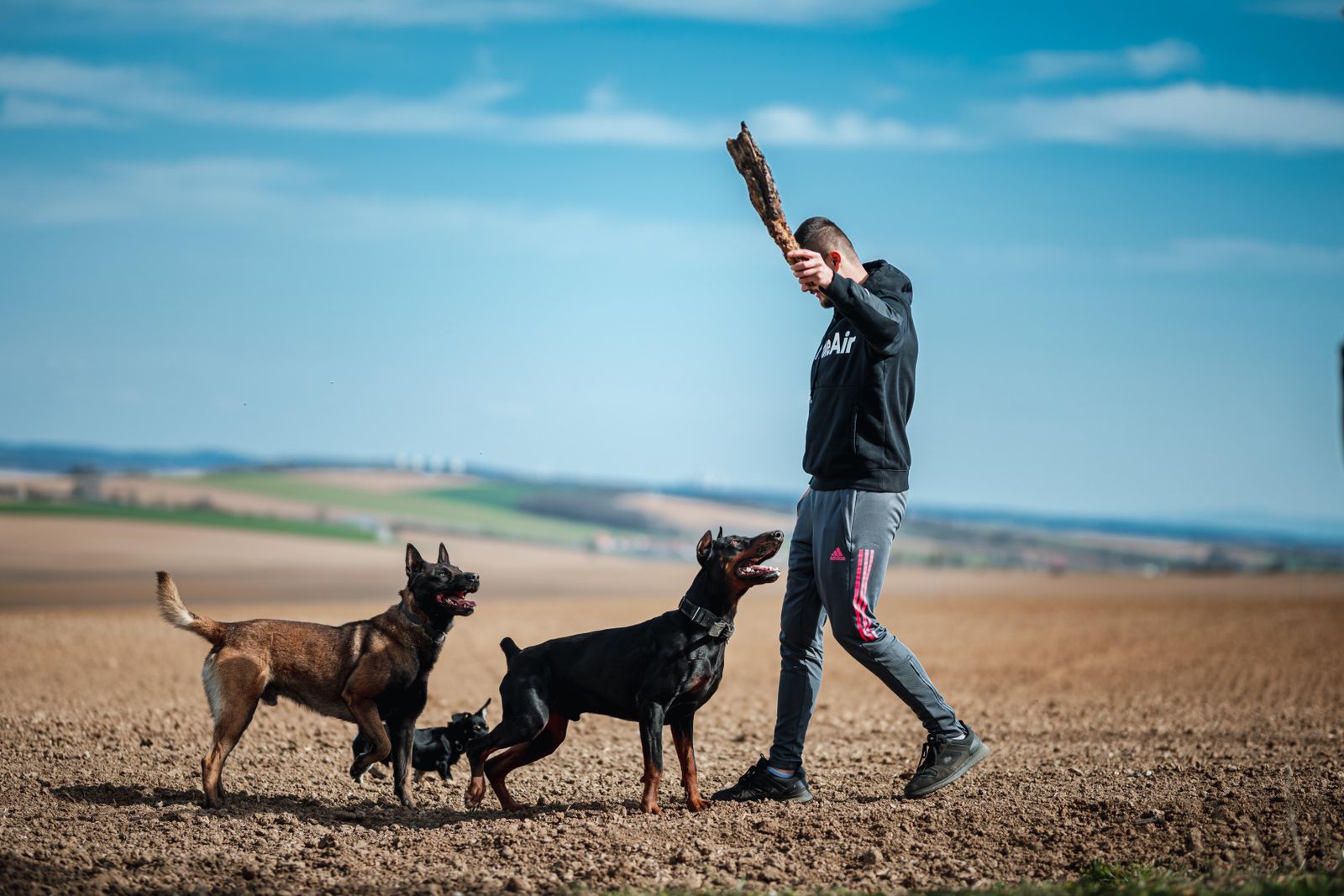
There is no single walking schedule that fits every dog. A healthy young herding dog may still have energy after a long outing, while a small senior dog may feel best with several short, gentle trips. The useful question is not simply how many minutes a dog should walk. It is what combination of movement, bathroom breaks, sniffing and rest helps this particular dog stay comfortable and settled.
Use this guide as a starting point, then adjust it with help from your veterinarian. A sudden change in stamina, breathing, gait, appetite or bathroom habits deserves professional attention rather than a tougher exercise plan.
Start with the dog in front of you
Before choosing a schedule, look at the factors that change what a safe walk looks like.
- Age: Puppies need frequent bathroom opportunities and gentle exposure to the world, but their vaccination status and growing bodies matter. Senior dogs may prefer shorter, slower outings.
- Health: Arthritis, heart or breathing conditions, recovering injuries and excess weight can change safe intensity. Ask the veterinarian for limits that apply to your dog.
- Energy and breed traits: Size alone does not predict activity needs. Some small dogs are highly active, while some large dogs enjoy a calmer pace.
- Weather: Illinois heat, humidity, ice, wind and road salt can turn a normal route into an unsafe one.
- Behavior: A crowded route may exhaust a fearful or reactive dog even when the distance is short.
- Home life: Yard access helps with bathroom breaks, but it does not always replace the movement, new scents and one-on-one attention of a walk.
A practical way to build the schedule
Begin with a routine your dog already handles comfortably. Keep notes for a week: when your dog asks to go out, how long it takes to settle afterward, whether stools and urination look normal, and whether there is stiffness later in the day. Change only one part at a time. Adding ten different activities at once makes it hard to know what helped.
Puppies
Puppies usually need more frequent outdoor opportunities than adult dogs, but those trips do not all need to be exercise walks. Some can be brief bathroom breaks or calm, veterinarian-approved socialization. Ask your veterinarian which public areas are appropriate before the vaccination series is complete. Avoid forcing distance when a puppy sits down, becomes distracted or appears tired.
Healthy adult dogs
Many adults do well when movement is spread across the day instead of saved for one intense outing. One walk might focus on steady movement, while another is slower and allows more sniffing. Play, training and food puzzles can round out the day. Watch the dog's response instead of trying to reach a number from the internet.
Senior dogs and dogs with medical needs
Consistency often matters more than distance. Several short outings may be easier than one long route. Choose predictable surfaces, allow extra sniffing time and check for stiffness after rest. A dog that slows down is communicating; pulling the dog to finish a route is not a fitness plan.
Walk quality matters as much as duration
A walk can serve several purposes at once. It provides a bathroom opportunity, controlled exercise, information through scent and time with a trusted person. A brisk mile is not automatically better than a shorter outing where the dog can sniff and move comfortably.
Try mixing three types of activity:
- Purposeful movement: A comfortable, steady pace on a familiar route.
- Sniffing and exploration: Time to investigate safe areas without being hurried.
- Simple engagement: Easy cues, direction changes or treat searches that keep the dog's mind involved.
Dogs that become overwhelmed by traffic, loose dogs or busy paths may benefit from quiet timing and shorter routes. Enrichment should leave a dog more settled, not frightened or frantic.
Signs the routine may need an adjustment
A dog may need more appropriate activity when restlessness, attention-seeking or difficulty settling repeatedly appears during otherwise normal days. Those behaviors are not proof that a longer walk is the answer; pain, anxiety and medical problems can look similar. Consider the whole pattern.
Reduce the outing and contact a veterinarian if you notice unusual lagging, limping, repeated sitting, heavy or abnormal breathing, weakness, disorientation, vomiting or a sudden refusal to walk. After returning home, continued distress, prolonged panting or new stiffness also matters.
What to do on busy days
Missing one ideal day is not a failure. Use a short safe outing, indoor scent games or gentle training when weather or time changes the plan. If long workdays regularly leave too much time between breaks, a trusted professional dog walker can preserve the routine. Dogs that mainly need a bathroom break, meal or check-in may be better matched with a drop-in visit.
Give any caregiver the dog's usual route, known triggers, equipment instructions, veterinarian restrictions and emergency contact information. Consistency is especially valuable for puppies, seniors and anxious dogs.
Build a routine, not a competition
The best schedule is one your dog can repeat safely and enjoy. Look for comfortable movement, normal recovery and a dog who can settle afterward. Revisit the plan as the dog ages, the weather changes or health needs develop.
If your dog would benefit from dependable weekday movement, you can learn about Tania's Pet Care dog-walking visits. The goal is to support the routine your dog already knows, not force every pet into the same plan. If you would like to discuss fit and availability, request an appointment.