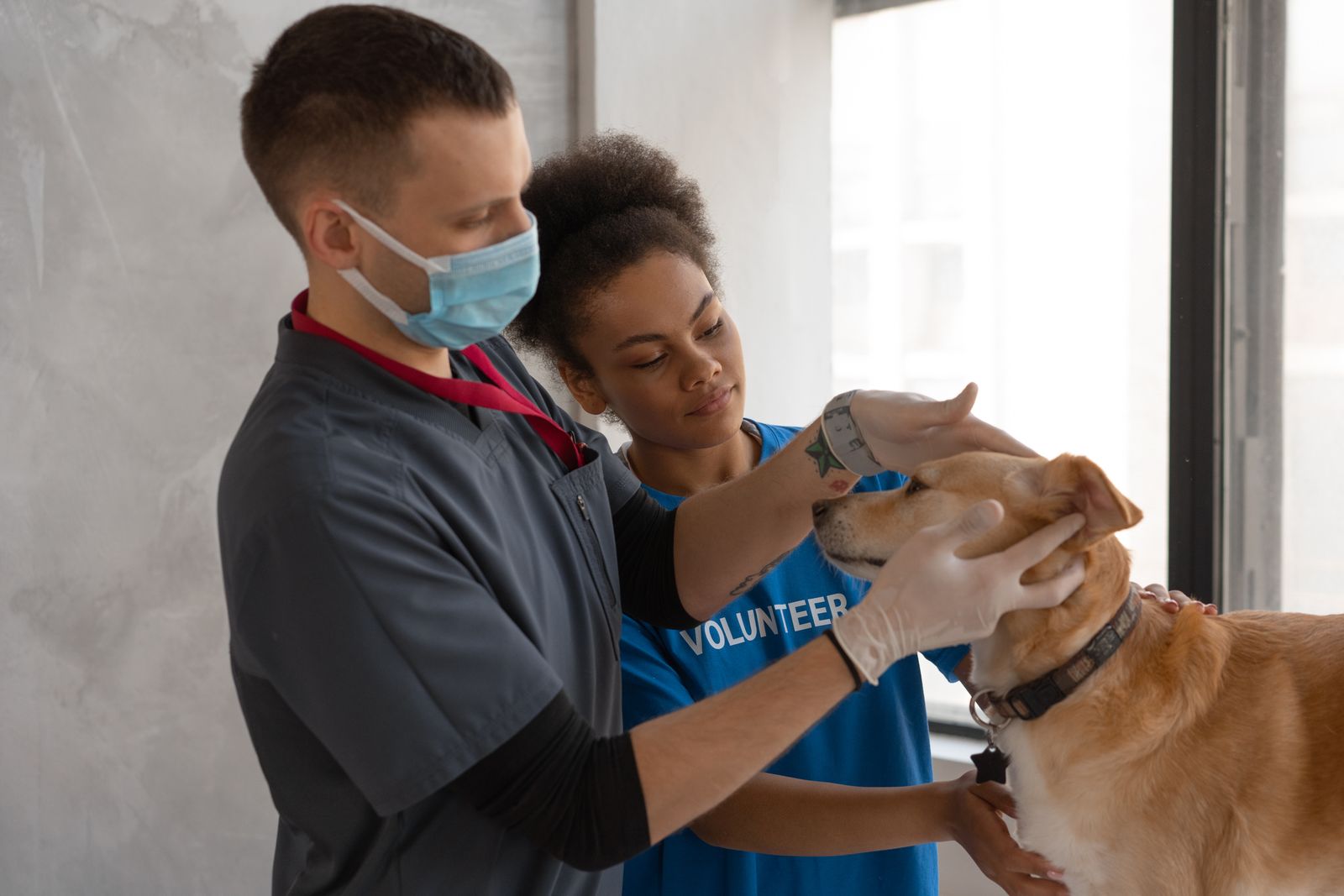
A tick check is easiest when it becomes the last step of every walk, not a special project saved for hiking trips. Ticks can be encountered in wooded and brushy places, tall grass, leaf litter, parks, and even yards. Illinois has several tick species, and northern Illinois is among the areas where the state reports blacklegged ticks. A two-part routine—quick check at the door, detailed check in good light—helps you look consistently without turning every outing into an alarm.
A check reduces risk but cannot guarantee that no tick is present or prevent disease by itself. Ask your veterinarian which preventive product and vaccination decisions fit your dog's age, health, lifestyle, and local exposure. Never apply a dog tick product to a cat unless a veterinarian and the label specifically say it is safe for cats.
Know where exposure is more likely
Ticks do not jump or fly. They wait on vegetation and attach when a person or animal brushes past. Risk rises where dogs move along trail edges, nose into brush, roll in leaves, or travel through tall grass. Staying near the center of a maintained path can reduce contact, but it does not eliminate it.
The Illinois Department of Public Health describes common state species including the American dog tick, lone star tick, blacklegged tick, and brown dog tick. Species and activity differ by place and season, so avoid assuming that only one month or one kind of trail matters.
Pack a small post-walk kit
Keep fine-tipped tweezers or a veterinarian-recommended tick-removal tool, disposable gloves, a small sealed container or bag, antiseptic approved by your veterinarian, a flashlight, and a comb near the door. Add your veterinary clinic number. A light-colored towel can make a loose tick easier to see while you inspect paws and gear.
Do not place human insect repellent on a dog unless the product label explicitly allows that use and the veterinarian approves it. Pet preventives are species- and weight-specific. Follow the label exactly and discuss questions with the veterinarian.
Step 1: Check before entering the main living area
Pause on a porch, mudroom, garage, or washable entry surface that is safe and climate controlled. Run your hands over the dog's body, feeling for a small bump. Scan the leash, harness, collar, jacket, and your own pants and shoes. A tick may still be crawling and easier to remove before it attaches.
If your dog has a long or dense coat, part the hair in sections rather than looking only at the surface. Good lighting matters. Keep the dog leashed until the exterior door is closed so inspection does not create an escape opportunity.
Step 2: Use the same head-to-tail order
A repeatable pattern keeps areas from being skipped. Begin around the muzzle and lips without putting fingers into an uncomfortable dog's mouth. Check around and behind both ears, beneath the collar, along the neck and shoulders, down the front legs, between toes and pads, across the chest and belly, through the armpits and groin, down the back legs, and around the tail.
Pay special attention to warm, protected folds and anywhere equipment rests. Remove the harness and collar so you can see the skin beneath them. Feel with fingertips as well as looking; attached ticks can resemble a small scab, skin tag, or seed. Do not pull until you have good light and know what you are grasping.
Step 3: Check yourself and the gear
Dog walking can expose the handler too. The CDC advises checking clothing and the body after time in tick habitat. Inspect socks, waist, hairline, behind knees, and other covered areas, and follow current public-health guidance for clothing and showering after exposure.
Examine soft leashes, fabric harness seams, blankets, and car upholstery. Handle clothing according to CDC and product-care directions. If the dog rode in the car before the check, scan the seat or crate area.
If you find a crawling tick
Use a barrier such as a glove or tissue and place the tick in a sealed container, tape, or another disposal method recommended by local health authorities. Do not crush it with bare fingers. Wash your hands afterward. Then repeat the full check because finding one tick means others may be present.
If you find an attached tick
The AVMA recommends checking pets promptly after tick-prone outings and carefully removing ticks. Use fine-tipped tweezers to grasp the tick close to the dog's skin. Pull upward with steady, even pressure rather than twisting, jerking, or squeezing the body. Clean the bite area and your hands according to veterinary guidance.
Do not use petroleum jelly, nail polish, heat, a lit match, or another home remedy to make the tick release. Those methods can delay removal and may increase exposure to tick fluids. If the tick is in a difficult area, the dog will not hold still safely, mouthparts appear to remain, or you are not sure the bump is a tick, call the veterinarian instead of digging at the skin.
Document what you found
Note the date, general walk location, body site, whether the tick was crawling or attached, and any estimate of attachment that you can make without guessing. Take a clear photo. Ask the veterinarian whether to save the tick for identification and how it should be contained. Local submission rules can change.
Do not rely on tick appearance or an app to diagnose exposure or disease. A professional may need to identify the species, and treatment decisions belong with the veterinarian.
Watch the dog without trying to diagnose
Most bumps after removal are not something a sitter or owner can interpret from appearance alone. Contact the veterinarian if the site becomes increasingly red, swollen, painful, or draining, or if any part appears retained. Also report a new change such as fever, reduced appetite, unusual tiredness, lameness, joint swelling, weakness, or behavior that is clearly not normal for your dog. These signs have many possible causes; the exposure history helps the veterinarian assess them.
The CDC recommends daily tick checks for dogs, especially after outdoor time, and prompt removal of any tick found. Keep using the veterinarian-selected preventive on schedule even when you inspect daily. Checks and preventives support each other.
Include tick notes in the walker handoff
Tell a professional dog walker where your dog tends to pick up ticks, which preventive is current, whether the dog tolerates paw and ear handling, and what to do if a tick is found. Decide whether the walker should remove an attached tick or contact you first. Provide the veterinarian's preference and the necessary tool.
A post-walk report can include route type, brush or tall-grass exposure, check completed, and findings. It should not claim that a dog is “tick free” with absolute certainty or diagnose an illness.
Consistent outdoor care is built from small routines. If you need scheduled exercise with a documented return-home check, review Tania's dog walking service and request a meet-and-greet to discuss your dog's coat, handling comfort, and trail habits.