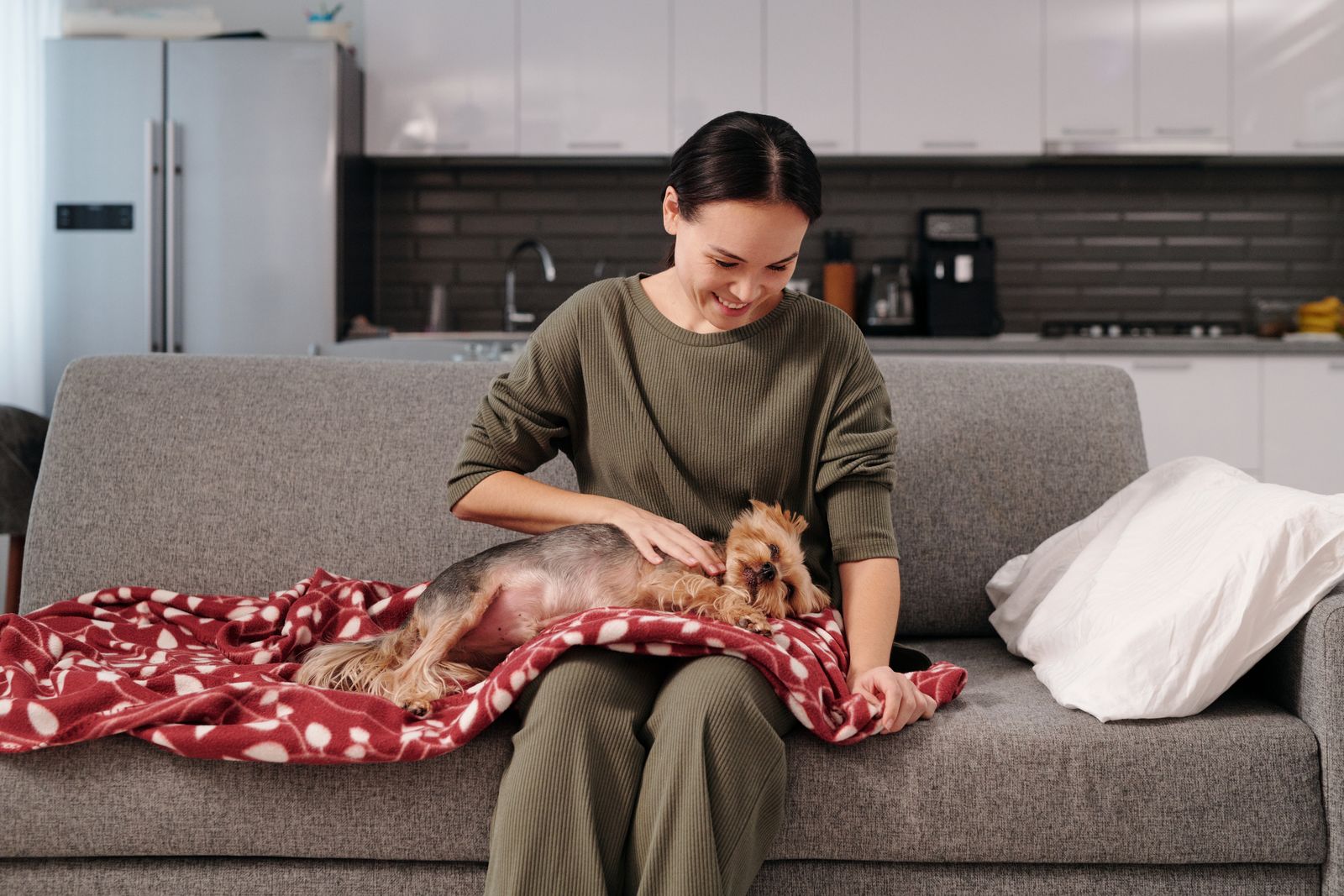
In-home pet sitting and boarding can both provide responsible care, but they create very different days for a pet. In-home care keeps the animal in familiar surroundings while a sitter follows written instructions. Boarding moves the pet to a facility with its own schedule, staff, housing and health requirements.
The better choice is not the one with the strongest sales pitch. It is the environment that safely matches the pet's behavior, health, routine and supervision needs.
What in-home pet sitting looks like
With in-home sitting, the pet remains where food, sleeping spaces, scents and bathroom routines are familiar. The sitter comes to the home for the agreed care period and handles feeding, walks or bathroom breaks, medication when arranged, home checks and updates.
This option may be worth considering for pets that:
- Settle best in a familiar environment
- Become stressed by travel or unfamiliar animal noise
- Live in a multi-pet household that is difficult to transport
- Need a detailed household routine
- Are cats, senior pets or animals that prefer their own space
Home care still requires preparation. The sitter needs safe access, clear instructions, emergency contacts and honest behavior information. The home must be secure and suitable for a caregiver to work in.
What boarding looks like
Boarding takes place away from home. Facilities vary widely: private rooms, kennel runs, group play, individual exercise, overnight staffing and veterinary boarding are not the same service. Owners should tour or carefully review the exact facility rather than make assumptions based on the word boarding.
A well-run boarding environment may suit a pet that travels comfortably, adapts to new places and meets the facility's health and behavior requirements. Some owners also prefer a staffed facility structure. If a pet requires medical monitoring, ask whether care is ordinary boarding or supervised through a veterinary hospital; those are different levels of service.
Compare the daily routine
Write down the pet's normal day before comparing options:
- Meal times and food preparation
- Bathroom or litter schedule
- Walks, play and rest periods
- Medication timing and storage
- Sleep location
- Reactions to dogs, cats, strangers and confinement
- Maximum time the pet can safely be alone
Ask each provider which parts can be followed exactly and which cannot. A facility may use set feeding or exercise windows. An in-home sitter may cover an agreed overnight period but not remain in the house around the clock. Clear definitions prevent a mismatch.
Consider behavior without guessing
A social dog is not automatically a good candidate for group boarding, and a shy pet is not automatically comfortable with a stranger entering the home. Ask how each provider evaluates behavior and prevents escape or conflict.
Pets with separation-related distress may need a veterinarian-led plan. Signs can include panic, destruction near exits, vocalization, drooling, house soiling or attempts to escape. In-home sitting can reduce environmental change, but it is not a treatment for clinical separation anxiety and may not provide continuous supervision.
Review health and disease-control questions
Social settings can expose dogs to infectious organisms, which is why reputable facilities have vaccination, illness and hygiene policies. Ask the veterinarian what vaccines and parasite prevention are appropriate for the pet's lifestyle. Ask the boarding facility how it handles coughing, diarrhea, injuries and isolation.
For in-home care, tell the sitter about all medical conditions and provide medication in original labeled containers. Explain what is normal for the pet and what requires a veterinary call. Leave the clinic, emergency hospital and owner-authorized decision maker's information.
Think about the entire household
In-home care can preserve a multi-pet household's familiar arrangement, but the sitter needs to know which animals eat separately, guard resources or must never share a doorway. Cats need litter and hiding-space instructions. Small pets need species-specific care that the provider is prepared to handle.
Boarding multiple pets may require separate reservations and a clear decision about whether they can safely share space. Do not assume bonded pets will be housed together.
Make a cat-specific decision
Cats should not be treated as quiet versions of dogs. Consider litter habits, hiding spaces, appetite, medication, carrier stress and how the cat responds to unfamiliar sounds. Many cats value a predictable territory, but some need more observation or medical support than an ordinary home visit provides. Ask exactly how often the cat will be seen and what happens if the cat does not eat, cannot be located or shows an unusual litter-box change.
Ask the same practical questions of every provider
- Who provides the care, and is there a backup?
- What hours or overnight period are actually covered?
- How are emergencies handled?
- How are medications documented?
- What happens during severe weather or a power outage?
- How often are updates sent?
- What behavior or medical needs cannot be accepted?
- What is the cancellation policy?
Use a meet-and-greet to test the plan
For home care, show the sitter doors, locks, equipment, food, medication and the pet's normal routine. Watch how the caregiver gives the pet space. For boarding, ask about a trial day or short stay when appropriate. A trial can reveal questions before a long trip, but it does not guarantee the pet will respond the same way every time.
Choose the care your pet can handle safely
In-home sitting may reduce disruption. Boarding may offer a structured facility environment. Either choice can fail when expectations are vague or the pet's needs are withheld.
If familiar-home care seems like the better fit, explore Tania's in-home dog sitting or in-home cat sitting. A meet-and-greet can confirm the routine, access and care scope without pressure to book the wrong service. If you would like to discuss fit and availability, request an appointment.