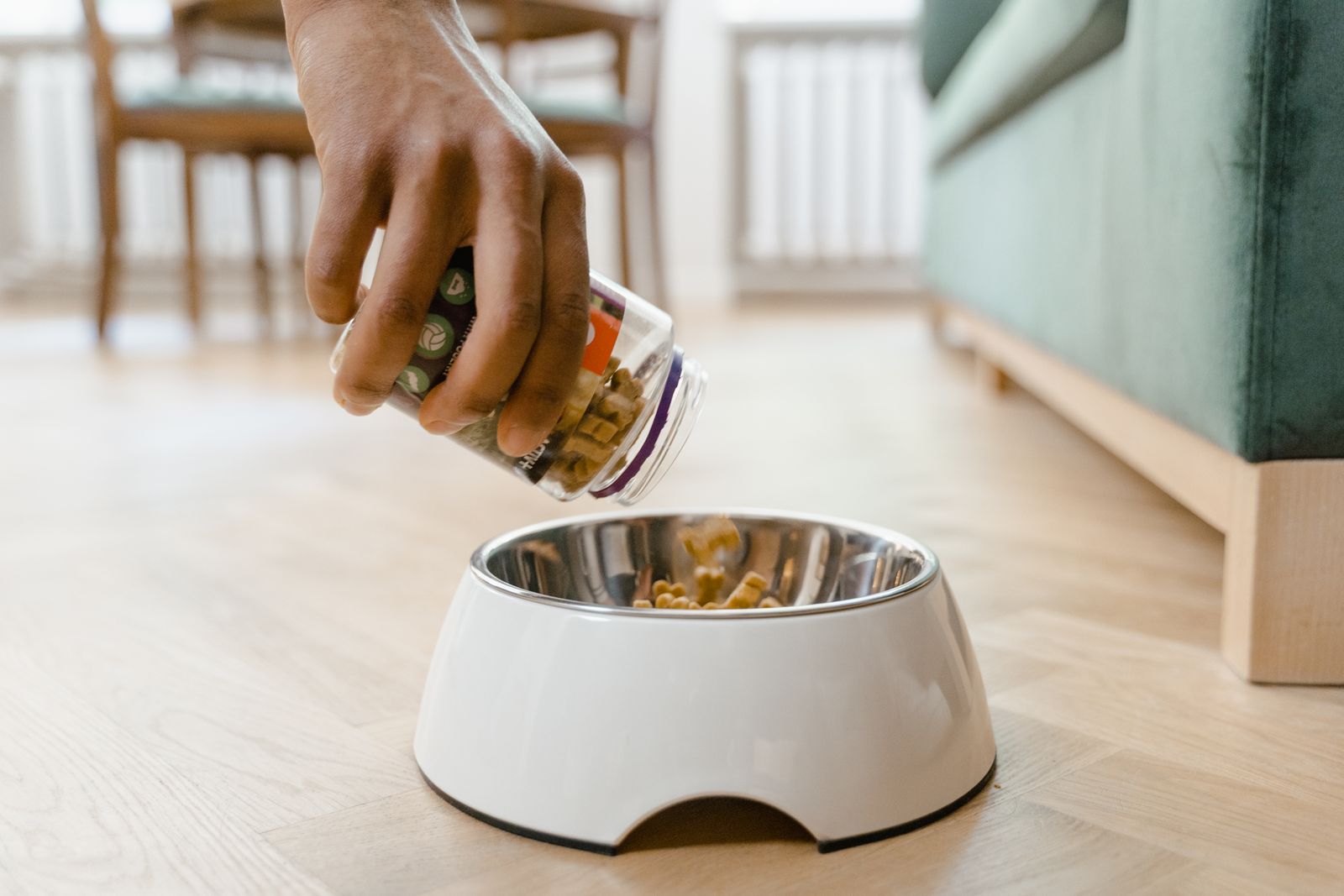
A pet sitter can follow instructions more safely when the home is organized for care. Preparation is not about making the house look perfect. It is about reducing uncertainty: the key works, the leash is secure, food is labeled, medications cannot be confused and emergency information is easy to find.
Do a full setup several days before travel. That leaves time to replace a worn harness, test access and ask the sitter whether anything is missing.
Confirm entry and home security
Test every key, keypad and smart lock the sitter will use. Do not assume a recently copied key works. Explain alarms, automatic locks, gates, garage doors and any door that sticks. Provide a safe backup entry plan that does not depend on hiding a key in an obvious outdoor location.
Write down:
- The correct entry and exit sequence
- Alarm codes and what to do after a false alarm
- Doors or windows that must remain closed
- Which pets try to rush an entrance
- Where keys should be kept during the stay
- A local backup contact who can access the home
If cameras are present, disclose their locations before care begins. Never place cameras in private sleeping or bathroom areas. Clear expectations protect both the household and the caregiver.
Create one pet-care station
Place everyday supplies together when possible. Include leashes, harnesses, waste bags, towels, cleaning supplies, grooming tools used during care and a flashlight. Label items for each pet in a multi-pet home.
Inspect leashes, clips, collars and harnesses for damage. Make sure identification is current and securely attached. Show the sitter how each item fits during the meet-and-greet rather than leaving an unfamiliar piece of equipment in its package.
Measure and label food
Leave enough of the pet's usual food for the entire booking plus a reasonable delay. Keep it in a sealed container and write portions in an actual unit such as one level measuring cup or one labeled pouch. A scoop with no stated size creates confusion.
Separate each pet's food and explain:
- Meal times and portions
- Whether food needs refrigeration or preparation
- Where pets eat and whether they must be separated
- Approved treats and limits
- Foods or ingredients the pet must never receive
- What to do if the pet refuses a meal
Wash bowls before leaving and make extras available. Do not introduce a new diet immediately before a trip unless the veterinarian has directed it.
Store medication safely and clearly
Keep pet medication in its original container with the label intact. The FDA advises secure storage because counters and shelves may still be reachable by pets or children. Do not combine different pills in an unlabeled bag or organizer unless the veterinarian and sitter have agreed on a safe documented system.
Separate medications from treats while keeping them easy for the sitter to locate. Provide written timing, dose, route, storage needs and the veterinarian's missed-dose instructions. Dispose of expired medication appropriately instead of leaving it as a backup.
Pet-proof the sitter's work area
Walk through the home at pet level. Secure trash, food, human medications, nicotine products, cleaning chemicals, strings, small toys and toxic plants. Close rooms the pet should not enter. Check fences, screens and gates for gaps or damage.
Put away fragile objects near excited greeting areas. Clear a safe path between the pet's sleeping area, food, litter boxes and exit. For senior pets, add non-slip runners where needed and keep stairs blocked if that is part of the normal plan.
Prepare sleeping and comfort areas
Wash bedding early enough that it still smells familiar when the owner leaves. Tell the sitter where each pet normally sleeps and which doors remain open overnight. Avoid changing crate routines for the trip.
Explain thermostat settings, fans, blinds, lights and any noise machine the pet uses. Make sure fresh water is available in the usual places. If a pet hides during storms or fireworks, identify the safe area and how it should be secured.
Make cleanup safe and simple
Provide pet-safe cleaning products, paper towels, trash bags, a broom and any litter supplies. Store chemicals away from animals. The CDC recommends following disinfectant labels, keeping pets away while products are wet and allowing treated areas to dry as directed.
Show where waste goes and when trash is collected. If an accident would be medically unusual for the pet, say so; the sitter should know when cleanup also requires an owner or veterinarian update.
Prepare for weather and outages
Leave carriers where they can be reached, not buried in storage. Identify a secure interior location for tornado warnings and provide flashlights. Share instructions for a power outage, sump pump alert, frozen pipe or HVAC failure.
The CDC recommends keeping pet identification, vaccination information, medication and emergency supplies ready. Tell the sitter where the go-kit is and which nearby person can help if travel delays extend care.
Do a final walkthrough
During the meet-and-greet, let the sitter perform the important steps: unlock the door, fit the harness, find food, identify medication and locate carriers. Correcting a misunderstanding in person is easier than doing it from an airport.
Leave written care information as well as digital access. A phone battery, app or internet connection can fail. Update the sitter if anything changes after the walkthrough.
Make the home easy to care for
Good preparation lets the sitter spend less time searching and more time caring for the pet. The result is a safer, calmer routine for everyone.
If you are considering familiar-home care, review in-home dog sitting or cat sitting with Tania's Pet Care. A meet-and-greet can identify the exact setup your household needs. If you would like to discuss fit and availability, request an appointment.