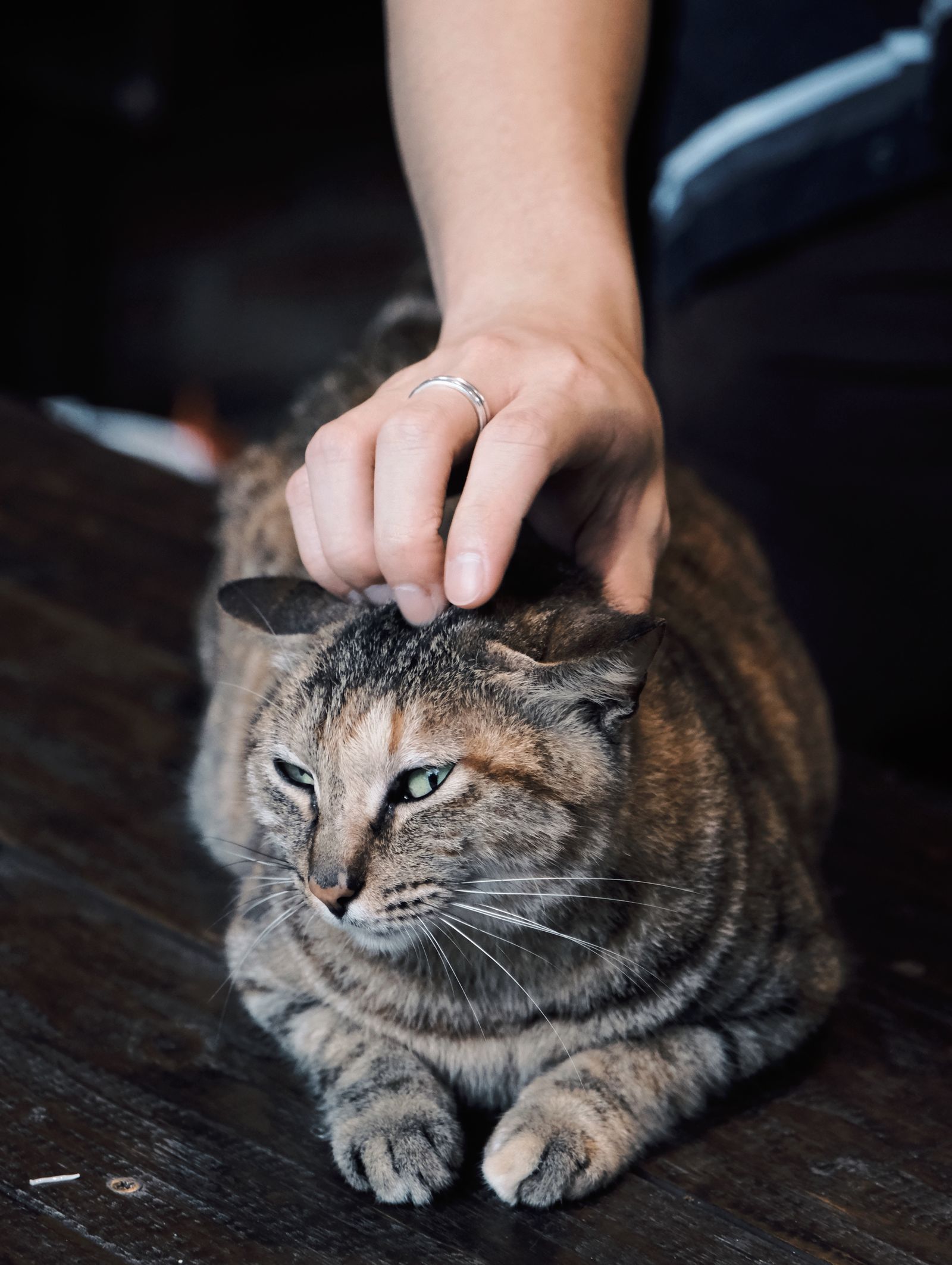
A professional cat-sitting visit should do more than fill a bowl and take a photo. It is a repeatable care and observation routine: enter without creating an escape opportunity, locate the cat, compare behavior with normal, serve measured food, refresh water, clean litter boxes, give agreed medication, provide appropriate enrichment, check the home, and report what actually happened.
Not every cat wants hands-on attention, and not every visit includes every optional task. The checklist should be customized during a meet-and-greet and approved by a veterinarian when health care is involved.
1. Enter and secure the home
The visit begins before the door opens. The sitter follows the agreed key, alarm, and entry plan while watching for a cat who waits near the threshold. An exterior door should never be held open for supplies. In homes with a known door-dasher, an interior barrier or “airlock” routine can separate the cat before entry.
Once inside, the sitter closes and locks the door, disarms the alarm if needed, and looks for immediate problems such as unusual temperature, smoke detector alerts, water leaks, broken glass, or a disturbed window screen. Home safety is pet safety.
2. Account for every cat
A sitter should confirm each cat's location or obtain reliable evidence of where a known hider is resting. Chasing or pulling a shy cat from shelter is not necessary for a routine count. Give the sitter a map of safe hiding places and identifying photos, especially when cats look similar.
The first observation is comparative: Is the cat greeting, hiding, moving, vocalizing, and breathing as expected? A sitter reports visible facts rather than diagnosing. A major departure from the normal baseline triggers the contact plan.
3. Review the visit log before giving care
In a shared-care household, the sitter checks messages and the medication or meal log before doing anything that could be duplicated. Was breakfast already given because the owner's departure changed? Did another caregiver administer the morning dose? A written record prevents a well-intentioned double meal or double medication.
Last-minute changes should name the pet, task, and time. Avoid vague instructions sent across several apps. If an update conflicts with a prescription label or veterinarian's plan, the sitter should pause and clarify.
4. Serve and document meals
Food is measured using the household's marked scoop or scale and served in the correct bowl and location. In multi-cat homes, separation may be needed to confirm who eats and prevent food stealing. The sitter notes appetite, amount remaining, and anything unusual such as dropping food or walking away from a normally anticipated meal.
Keep food in its original packaging when practical. The FDA recommends retaining the original bag or container information so product name, lot number, manufacturer, and date are available if a problem or recall occurs. Follow manufacturer and veterinarian guidance for refrigeration and how long opened or served food may remain out.
5. Refresh water
Every water source gets checked, not just the nearest bowl. Wash or rinse bowls according to the plan, refill them with fresh water, and verify fountains are flowing. Look for unplugged cords, low reservoirs, slime, debris, or a bowl tipped by play.
Measure or mark levels when intake is medically relevant, but remember that several cats sharing water makes individual consumption difficult to interpret. Report a clear change to the owner and veterinarian according to the care plan rather than drawing a medical conclusion.
6. Scoop and observe litter boxes
Scoop each box at every planned service unless the owner and sitter agree otherwise. Record urine clumps, stool, accidents, and any obvious change from normal. Top up litter only to the normal depth, clean tracked litter, and ensure no door or gate blocks access.
The AAHA/AAFP Feline Life Stage Guidelines include elimination and environmental needs as important parts of feline care. A sitter should know that repeated straining, crying in the box, or inability to urinate may be urgent and requires immediate veterinary contact. The sitter's role is to observe and escalate, not diagnose the cause.
7. Give agreed medication safely
Medication is provided only when it is part of the booked, rehearsed plan and within the sitter's skill. Use the original labeled container, follow the exact dose and route, and record the actual time immediately. Store the product as directed. If the cat refuses, spits it out, or vomits, follow the veterinarian's written instruction or call; do not automatically repeat or double a dose.
Some procedures, injections, or post-operative needs may require a veterinary professional or a different care setting. Honest scope protects the cat.
8. Offer choice-based enrichment
After essential care, the sitter can provide the kind of interaction the cat prefers: wand play, a treat hunt, brushing, lap time, conversation, or quiet company. The AAHA/AAFP environmental guidance supports opportunities for play, safe places, separated resources, and predictable positive interaction.
Play should be supervised and toys with strings, feathers, or small detachable parts put away afterward. A cat who retreats should not be followed. For a shy cat, sitting calmly in the room may be the most appropriate enrichment.
9. Complete agreed home-care tasks
Pet-related cleanup may include washing bowls, removing litter waste, cleaning a small accident, bringing in a package that blocks the door, adjusting pet-safe lights, or checking the thermostat. Define these tasks in advance. A cat sitter is not automatically a housekeeper, plant specialist, or maintenance contractor.
If the sitter finds a leak, power outage, broken appliance, or unsafe temperature, they secure the cat if possible and follow the home emergency contacts. Leave the water shutoff location and a local property contact for longer trips.
10. Reset the environment and depart safely
Before leaving, the sitter recounts cats, confirms food and water access, checks litter routes, removes unsafe toys, restores required gates, closes windows, and locks doors. If a cat has a restricted zone, the sitter verifies both sides before moving a barrier. The alarm is armed only after the exit path is clear.
Keys should return to the agreed secure location, never a newly improvised hiding place. The sitter records the end time and the next scheduled visit.
11. Send a useful report
A strong update answers practical questions: Were all cats accounted for? How much did each eat? Were water and litter normal? Was medication given and at what time? What interaction occurred? Did anything in the home change? Include photos when they can be taken without pressuring a shy cat.
Urgent concerns should be called through immediately, not buried in the recap. Owners should provide two contact methods, a local backup person, regular and emergency veterinarians, and signed authorization for care.
How long should the visit be?
The checklist must fit the booked time without rushing safety. Several cats, separated feeding, medication, multiple litter boxes, or a cat who needs patient companionship can require a longer visit. Frequency matters too: kittens, seniors, health needs, and twice-daily meals may justify two visits. Ask the veterinarian to guide any medical schedule.
A clear checklist lets the sitter be consistent while still responding to the cat in front of them. To discuss a routine tailored to your household, review Tania's cat sitting visits or request a meet-and-greet.