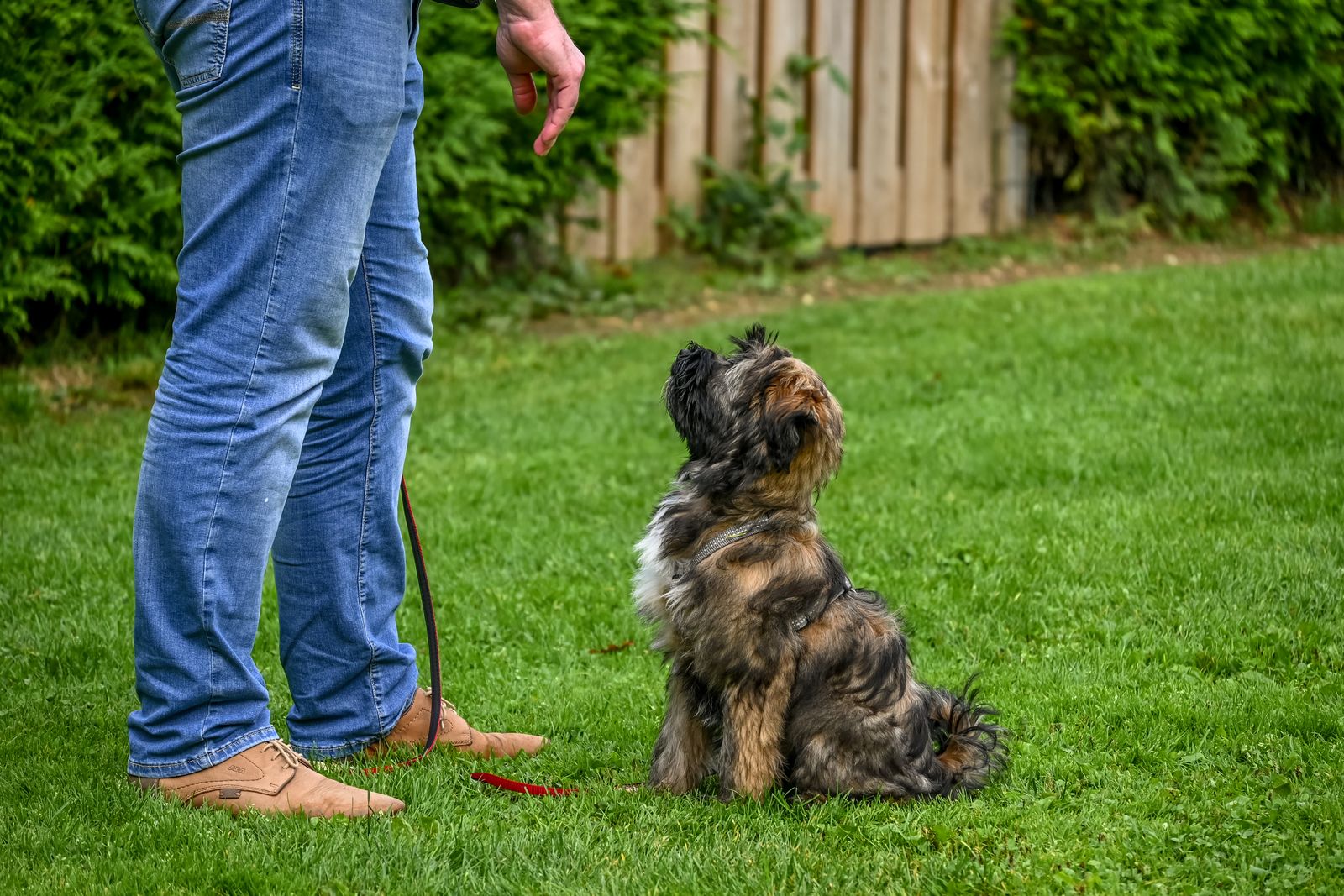
A reactive dog is not a bad dog. Barking, lunging, freezing or pulling may happen when the dog is frightened, frustrated, overexcited or in pain. A professional walker can support a well-designed routine, but success starts before the first solo walk. The caregiver needs honest information, a safe plan and enough time to build familiarity.
Reactivity exists on a wide range. A dog with a bite history, severe panic or rapidly escalating behavior needs guidance from a veterinarian and, when recommended, a qualified veterinary behaviorist. A blog or meet-and-greet cannot replace that assessment.
Write a trigger history without minimizing it
Do not describe a dog as sometimes funny around other dogs. Explain exactly what happens and under what conditions. Useful details include:
- Known triggers such as dogs, bicycles, children, delivery carts, strangers, wildlife or loud vehicles
- The distance at which the dog first notices and reacts
- Early body signals such as a closed mouth, hard stare, lowered body, raised hair, freezing or refusing treats
- Whether the dog redirects toward the leash or handler
- Any bite, snap, escape or equipment-failure history
- Places and times where encounters are most likely
- What has safely helped the dog move away
The goal is not to label the dog. It is to give the walker enough information to prevent a difficult situation.
Ask the veterinarian about sudden or worsening behavior
Pain and illness can lower a dog's tolerance. If reactivity is new, noticeably worse or paired with changes in movement, appetite, sleep or handling tolerance, schedule a veterinary examination. Share any medical restrictions and prescribed behavior plan with the walker.
Never ask a pet caregiver to start, stop or adjust calming medication without direct veterinary instructions. Medication should remain in its labeled container with a written schedule.
Choose and inspect equipment together
The dog's regular equipment should fit correctly and be in good condition. Depending on professional guidance and the individual dog, this may include a well-fitted harness, secure collar, standard leash and identification. Retractable leashes often make distance and emergency control harder in busy areas.
If a veterinarian or qualified behavior professional has recommended a basket muzzle, the dog should be positively conditioned to wear it before the walker relies on it. A muzzle is a safety tool, not permission to place a dog near triggers. It should allow panting, drinking and taking treats, and it must fit properly.
Show the walker exactly how each clip and buckle works. Decide what happens if a strap loosens, a leash drops or an off-leash dog approaches. An improvised plan during a crisis is too late.
Plan a low-pressure introduction
The first meeting should not begin with the walker reaching over the dog's head or taking the leash immediately. Let the dog have appropriate space. The owner can demonstrate the normal exit, route, cues and reward delivery while the walker observes.
Some dogs do better with several short introductions: first sharing space, then a walk with the owner present, then a brief handoff. The pace should depend on the dog's body language, not a deadline. A dog who cannot recover or safely leave with the caregiver may need another care arrangement while a behavior plan is developed.
Create a route that avoids predictable trouble
Choose quiet streets and times with good visibility. Avoid narrow paths, blind corners, crowded school arrival periods and locations where loose dogs are common. Identify driveways, side streets or open areas that can provide distance.
Provide at least one backup route. Construction, garbage collection, neighborhood events and weather can make the usual path unusable. The walker should always be allowed to shorten the outing instead of pushing through a crowded area.
Agree on the response to a trigger
Management should focus on creating distance before the reaction escalates. The exact plan may include crossing the street, turning into a driveway, making a practiced U-turn or moving behind a visual barrier. Reward-based cues should be practiced in easy settings before they are expected to work near a trigger.
Avoid punishment, leash corrections, yelling or forcing greetings. These can increase fear and make the dog associate triggers with additional discomfort. The walker should not test whether the dog is over it today.
Define when to end the walk
Write down stop conditions. Examples include equipment failure, repeated inability to recover, an uncontrolled loose dog nearby, signs of pain, extreme weather or a trigger blocking the safe return route. A short bathroom break and indoor decompression may be the best available care that day.
For some dogs, a drop-in visit with yard access, indoor enrichment or a very brief outing is safer than a neighborhood walk. Choosing the right format is responsible care, not a setback.
Ask for useful reports
A good update should be factual: route used, triggers seen, approximate distance, the dog's earliest signals, recovery and any unusual health or bathroom observations. This helps the owner, walker and veterinary behavior team notice patterns. It should not shame the dog or turn reactions into entertaining videos.
Safety matters more than mileage
The best walk for a reactive dog may be a quiet fifteen minutes with no close encounters. Predictability, distance and trust are more useful than forcing a busy route.
If your dog has a clear, established handling plan and you need consistent help, review dog walking with Tania's Pet Care. Share the full behavior history before booking so the safest care format can be considered. If you would like to discuss fit and availability, request an appointment.