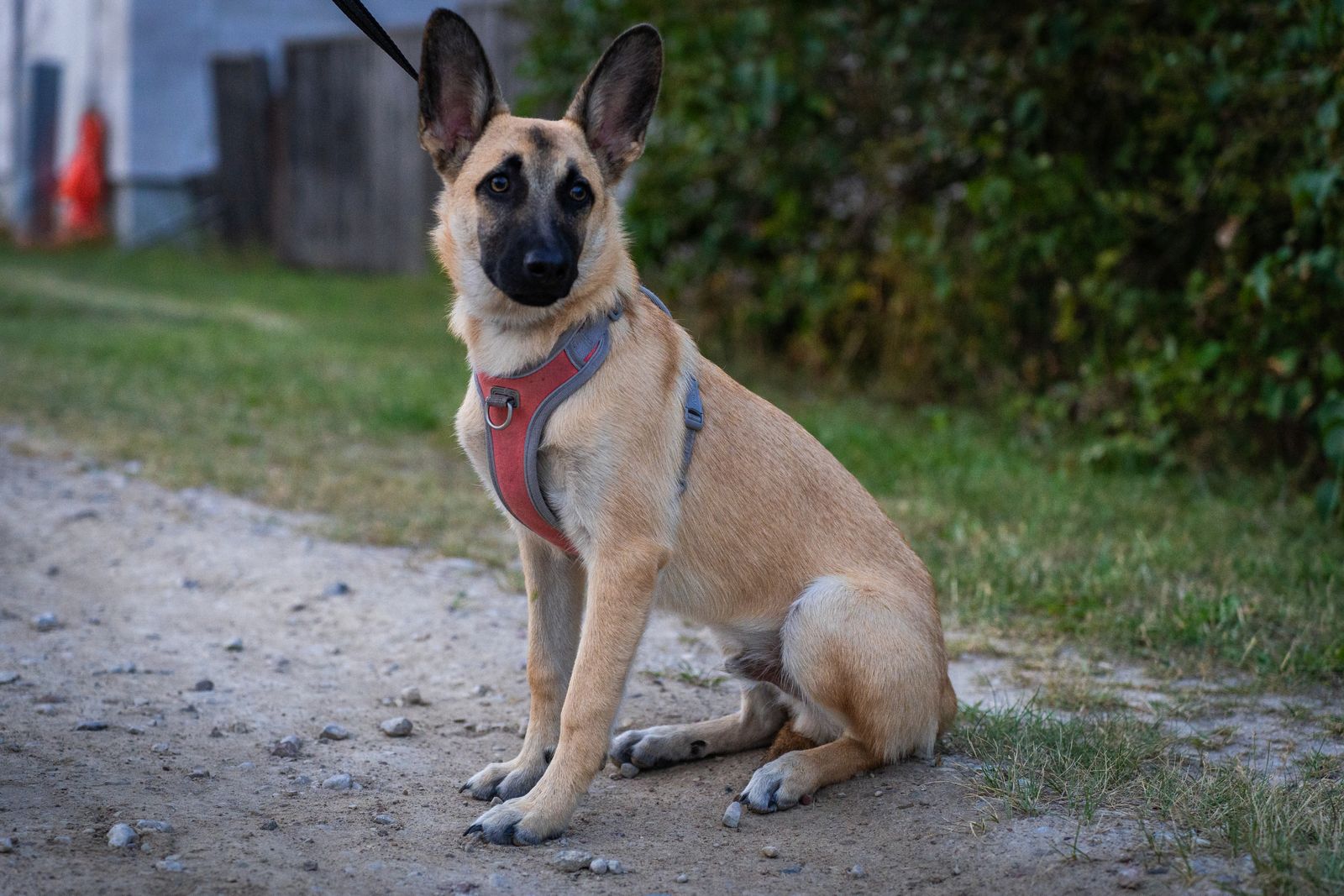
Puppies need to learn about the world while their brains are developing, but they also need protection from infectious disease. That can make the first-walk question confusing. Waiting without any safe exposure can miss important learning opportunities, while taking an incompletely vaccinated puppy into a high-risk area can be dangerous.
The correct starting point is the puppy's veterinarian. Vaccine timing, age, health, where the puppy came from and disease activity in the local area all affect the plan. Do not use a general age from the internet as a substitute for that conversation.
Socialization is more than meeting dogs
Safe socialization means creating positive, manageable experiences with sights, sounds, surfaces, people, handling and everyday routines. It does not mean placing a puppy in the middle of a crowded dog park. A puppy can learn while being carried, sitting on a clean blanket, watching the neighborhood from a safe distance or exploring a controlled private area.
Good exposure is:
- Short enough that the puppy remains comfortable
- Paired with food, play or calm reassurance the puppy enjoys
- Optional rather than forced
- Protected from unknown or visibly ill animals
- Stopped when the puppy shows fear, fatigue or distress
Ask the veterinarian these questions
Before public walks, ask:
- Which vaccines has the puppy received and when is the next dose?
- What diseases are common in the area right now?
- Which locations should be avoided?
- Are controlled puppy classes appropriate, and what health requirements should they have?
- Does the puppy have orthopedic, respiratory or other limits?
- Which parasite preventives are appropriate?
Core vaccine protection develops through a series rather than one simple appointment. Puppies also vary in the protection received from maternal antibodies, which is one reason veterinary timing matters.
Lower-risk ways to explore before regular walks
With veterinary approval, early experiences may include a private clean yard not used by unknown dogs, being carried through the neighborhood, riding securely in the car, hearing household sounds at a gentle level, walking on different clean indoor surfaces or meeting known healthy, appropriately vaccinated dogs in controlled settings.
Avoid areas heavily used by unknown dogs, shared water bowls, dog parks and contact with animal waste until the veterinarian says they are appropriate. Do not let the puppy lick or eat material from the ground.
What to ask before a puppy class
A structured class can be different from an uncontrolled public gathering. Ask about required vaccines, cleaning practices, class size, separation of sick puppies and the instructor's training methods. The class should use reward-based handling and provide enough space for puppies that need a break. Share the program details with the veterinarian before enrolling. A responsible class should never require a frightened puppy to interact or punish the puppy for hiding, barking or needing distance.
Make the first leash outings very small
The first walk does not need to go around the block. Practice wearing the harness or collar indoors, reward the puppy for following a few steps and introduce the leash without pulling. Move to a quiet approved outdoor area when the puppy is comfortable.
Let the puppy stop and observe. New surfaces, trucks, people in hats and moving trash cans can be a lot to process. If the puppy freezes, hides, repeatedly tries to escape, refuses treats or cannot recover, create distance and end the session calmly.
Protect a growing body
Puppies often have bursts of energy, but enthusiasm does not mean their bodies are ready for repetitive distance. Avoid forced running, repeated jumping and long routes designed around an adult person's fitness goal. Ask the veterinarian about exercise appropriate for the puppy's breed, age and development.
Keep outdoor sessions short, bring clean water when needed and avoid extreme heat or cold. A tired puppy may sit down, lag, bite the leash or become wildly excited. Those signals call for rest, not pressure.
Build bathroom and walking routines separately
Young puppies need frequent bathroom opportunities. A quick toilet trip is not the same as an exercise walk. Take the puppy to the approved area, reward the desired behavior and return inside when appropriate. This makes house-training clearer and prevents every trip from becoming an overstimulating adventure.
A puppy drop-in visit can help during a workday by following the family's written feeding, bathroom and rest schedule. The visit should match the veterinarian's exposure guidance.
Choose caregivers carefully
Give a walker the vaccine and veterinarian restrictions, approved surfaces, equipment instructions, feeding rules and signs of fear. Puppies should not be taken to a dog park, introduced to unknown dogs or pushed through a long route for socialization.
Ask how the caregiver prevents contact with waste and how equipment is cleaned between pets. Disease prevention and gentle handling should be part of the normal plan.
Call the veterinarian when something changes
Contact the veterinary clinic about vomiting, diarrhea, loss of appetite, unusual tiredness, coughing, nasal discharge, weakness or other sudden illness. Keep the puppy away from other animals until advised. Severe or rapidly worsening signs require urgent care.
Let confidence grow in small steps
A good puppy walk is not measured by distance. It is a safe learning experience the puppy can recover from easily. Build protection and confidence together under veterinary guidance.
When your puppy is cleared for the right type of outing, Tania's dog-walking care can follow the approved routine. Share vaccine restrictions and socialization goals before the first visit. If you would like to discuss fit and availability, request an appointment.